
The alarm goes off early while darkness still hangs in the sky. Frankie wonders what is going on but eagerly goes out for her morning business under the glow of street lamps. Coffee as the sun rises…summon the Uber…stop at Bobb’s…and as we climb to 35,000 feet, we’ve begun the long journey taking us to Japan!
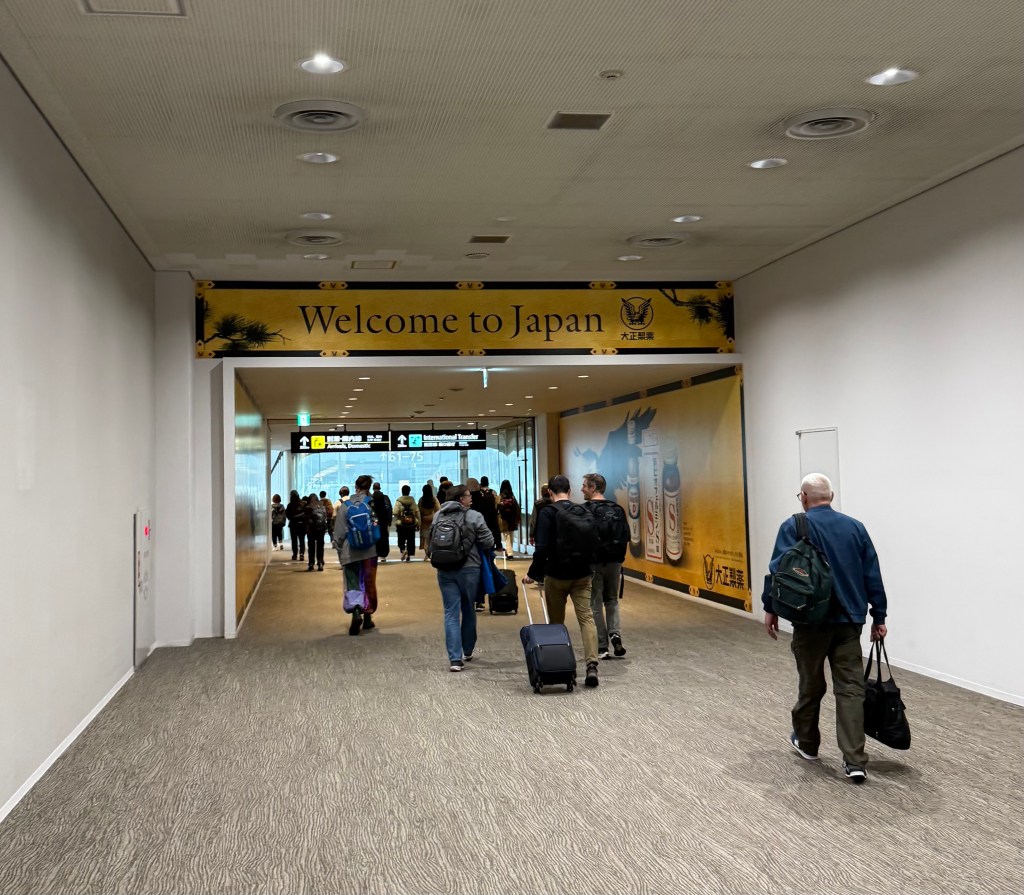
We’re chasing the sun – the travel is all daylight – and we arrive Tokyo feeling only a bit plane-weary. But wait – it’s tomorrow? Crossing the date line is totally disorienting to mind and body. We wind our way through the airport hallways and moving walkways to find the immigration hall packed with travelers from all over the world. By the time we get to the Hilton Shinjuku, it’s many hours after landing…our mental state now twisted up in time and space.


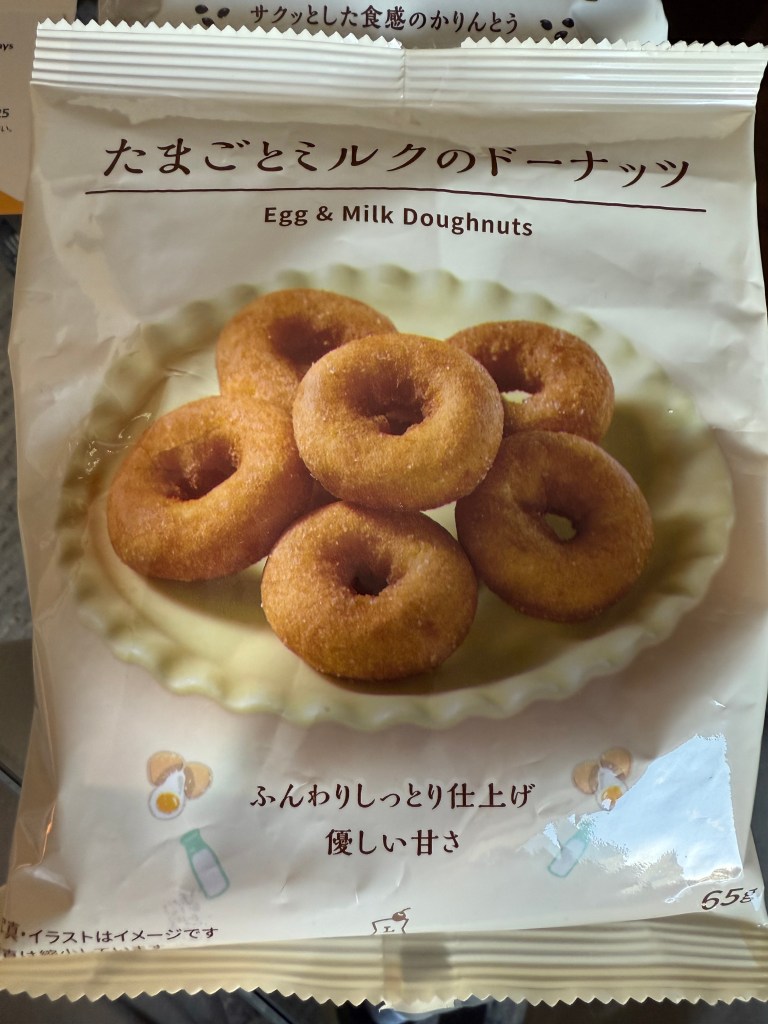
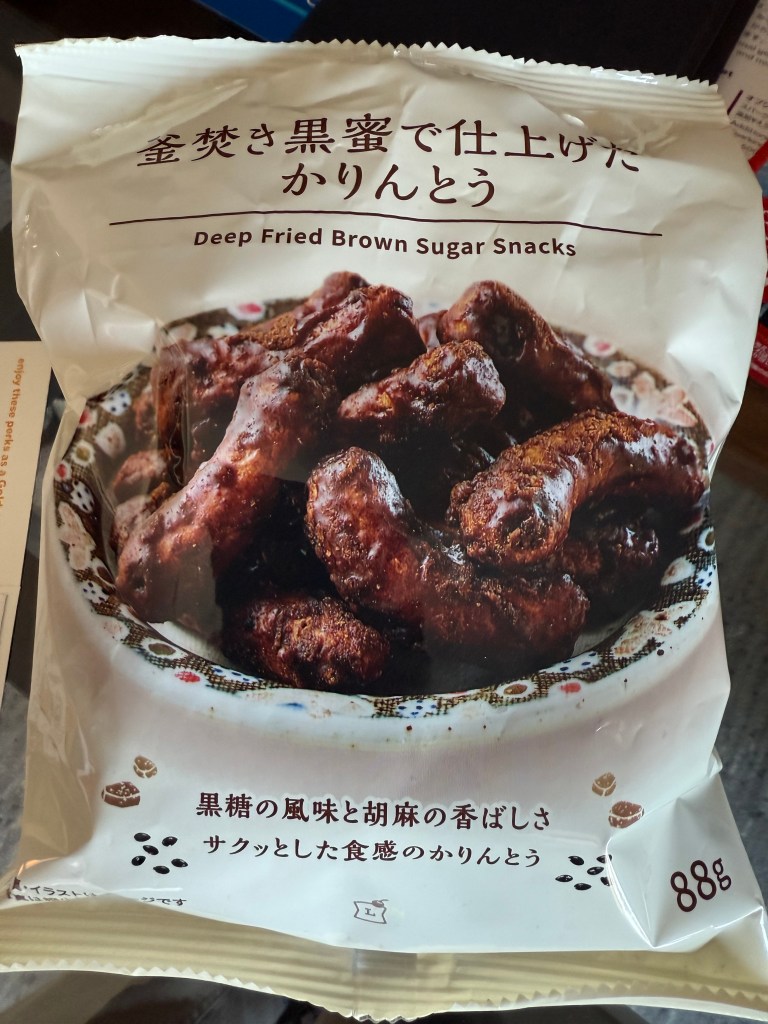
A snack from the basement convenience store – and some treats of unfamiliar nature ‘cause you gotta try it, right? – and slumber comes easily…
Morning comes quickly in this land of the rising sun, so called not just for its easternmost position on the globe. Locally called “Nippon,” Japan is written as “日本” in Japanese kanji*, characters that translate to “sun origin.” Thus, this beautiful country lays claim to the sun’s commencing each day.
We head out into Tokyo wide-eyed and curious to explore. Even as a seasoned traveler, I have to admit to a bit of apprehension about this foreign land…will it be a challenge to navigate? Will we struggle to communicate? Will we find our way around? My anxiety, if you could call it that, turned out to be entirely unfounded. Tokyo is a city like any other in spite of being the largest on the planet (37 million people?!). And in many ways, it is not like any other city I’ve been to.

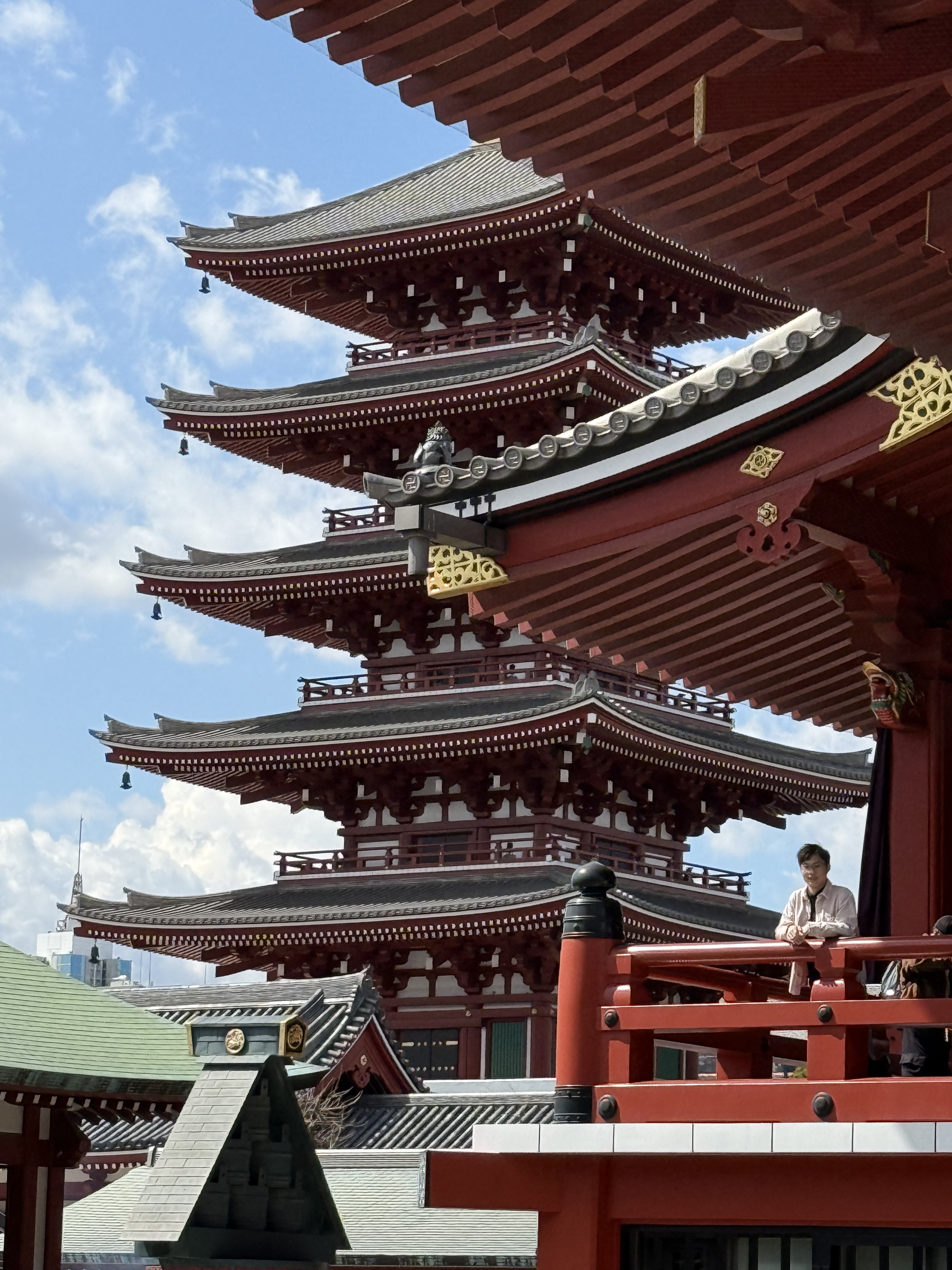
Our first stop is the Asakusa Shrine and Temple. The shrine is Shinto (the primary religion in Japan) and the temple is Buddhist (a secondary but important religion here). They sit side-by-side. I’ll probably get this sort of wrong, but Shinto focuses on the present and Buddhism on the afterlife, so they are here in harmony, completing a cultural tenet that is the foundation of Japanese life: all things must be in harmony.


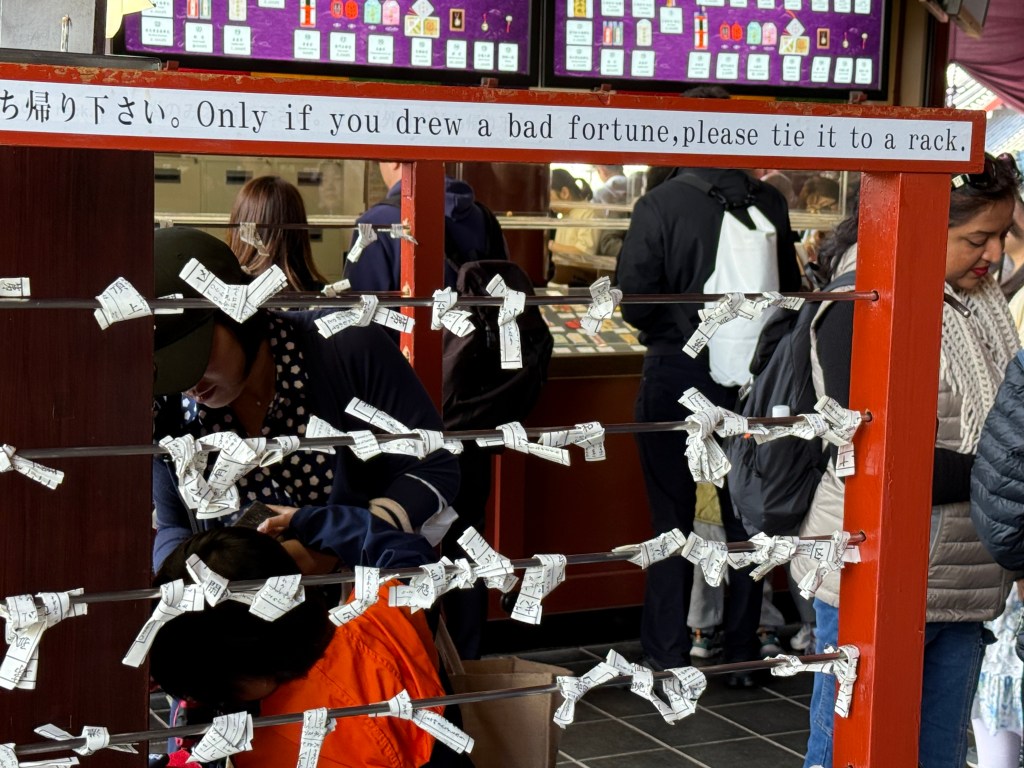
We made a small tithing in exchange for drawing a fortune…and while none of us got a “bad fortune,” if we had, we can simply dispose of it by tying it to a rack outside the temple. I got the “regular” fortune – short of the “good fortune” or “best fortune.”



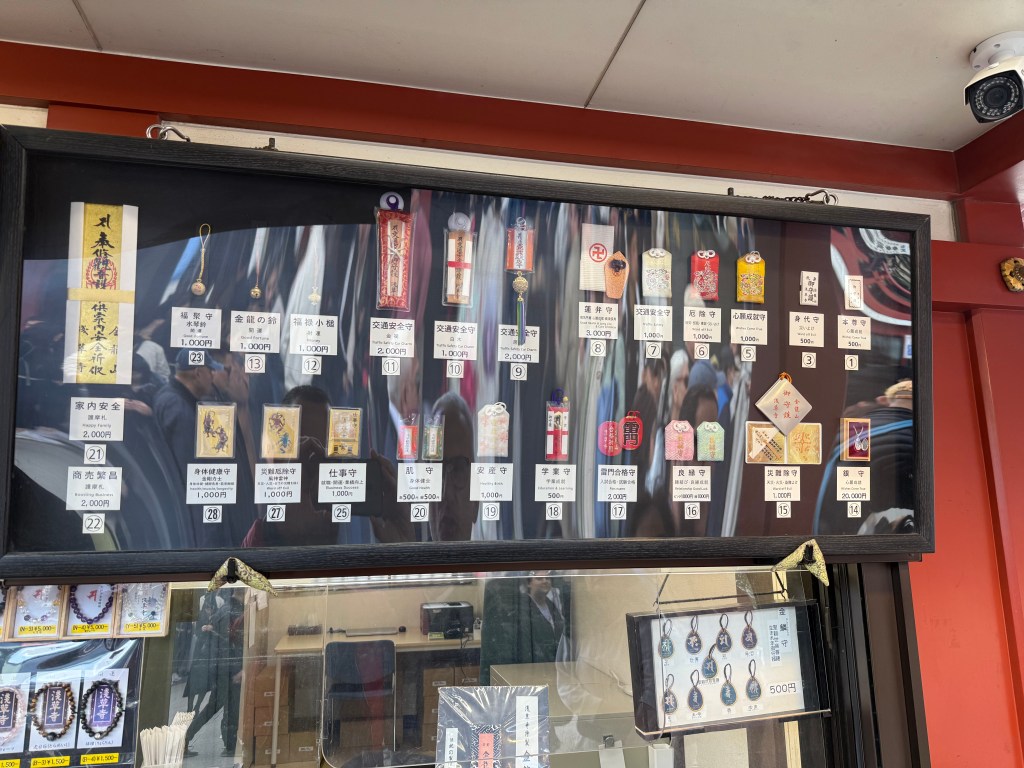
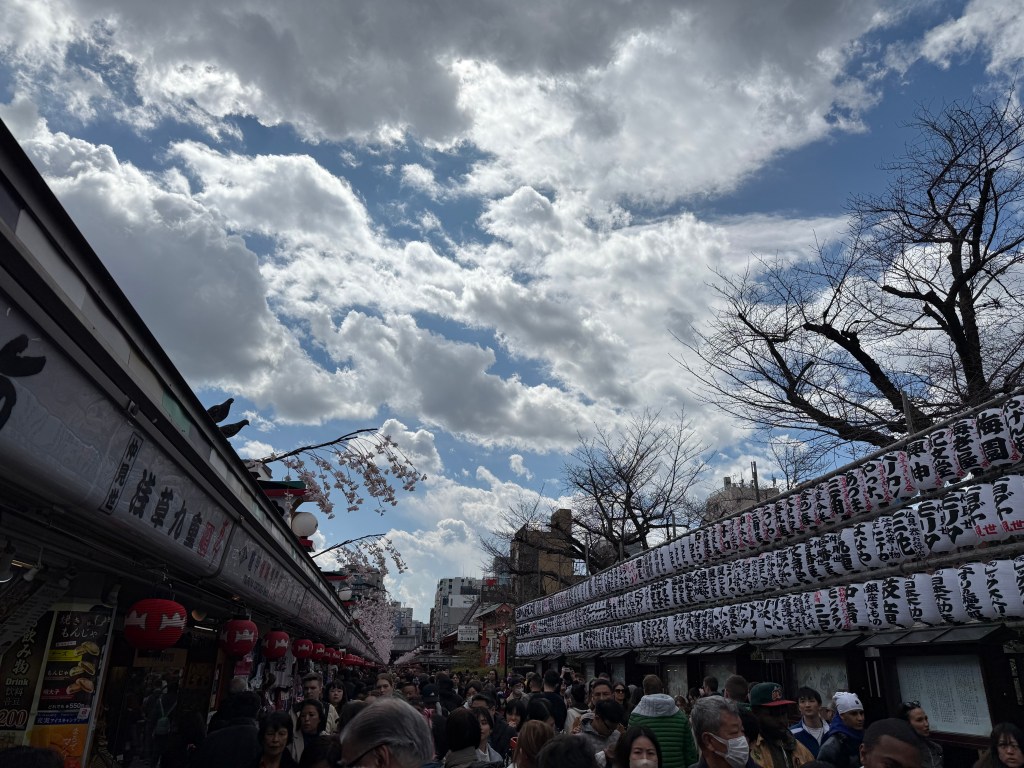
Leading up to the temple is a shopping street packed with people, more of a passage than a street. Each shop is tiny but doing brisk business selling mostly bits to eat – cookies, crackers, candies – and of course charms. This place is crazy for charms and amulets and all such things to help improve your luck. It can’t hurt to try, right?

We finish our rounds at Asakusa, anticipating the Imperial Palace’s splendor at our next stop, at least as much of it as will be open to the public. Alas, none of it is open to us. We get a giant gate and a couple guards…
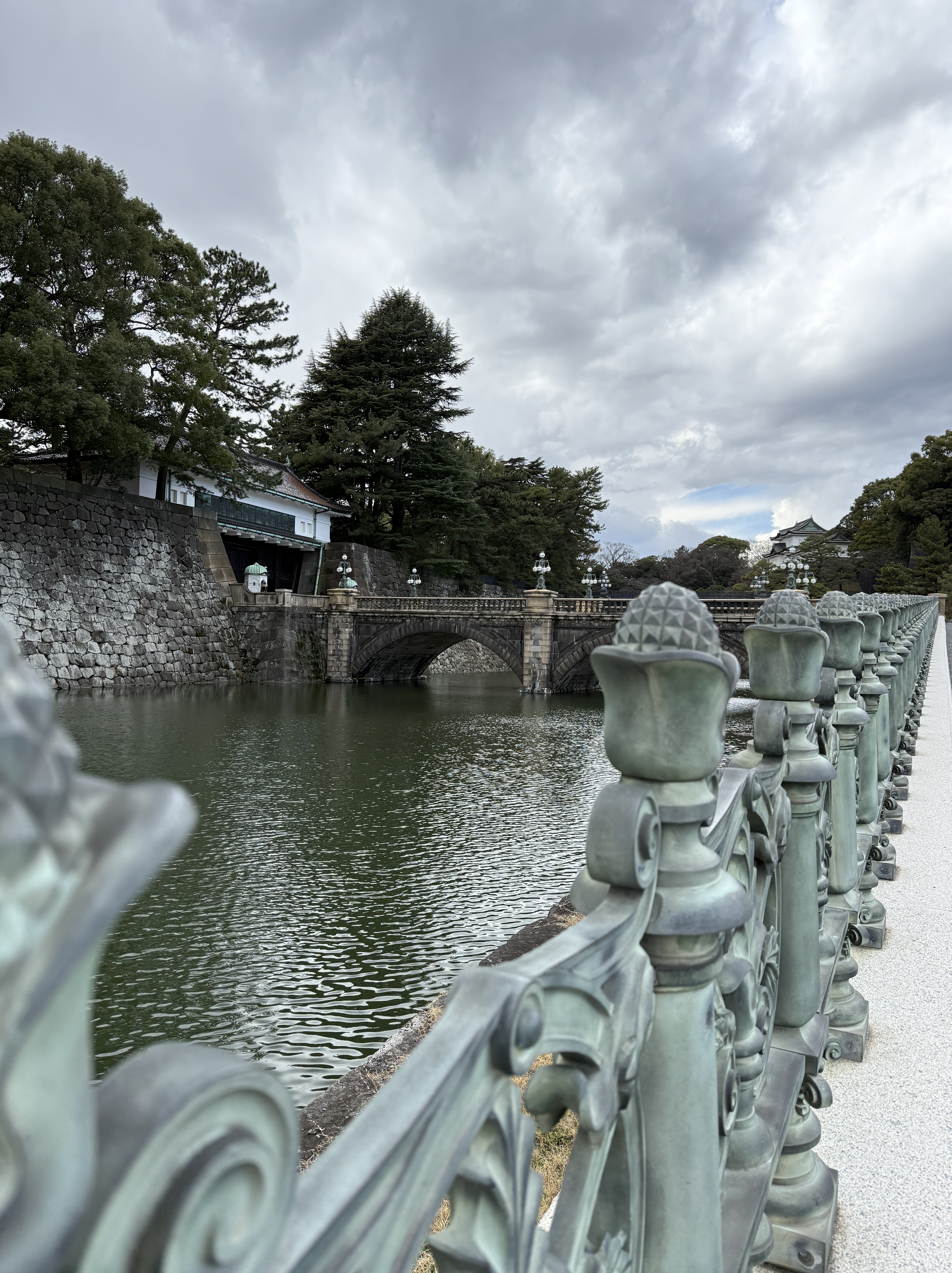

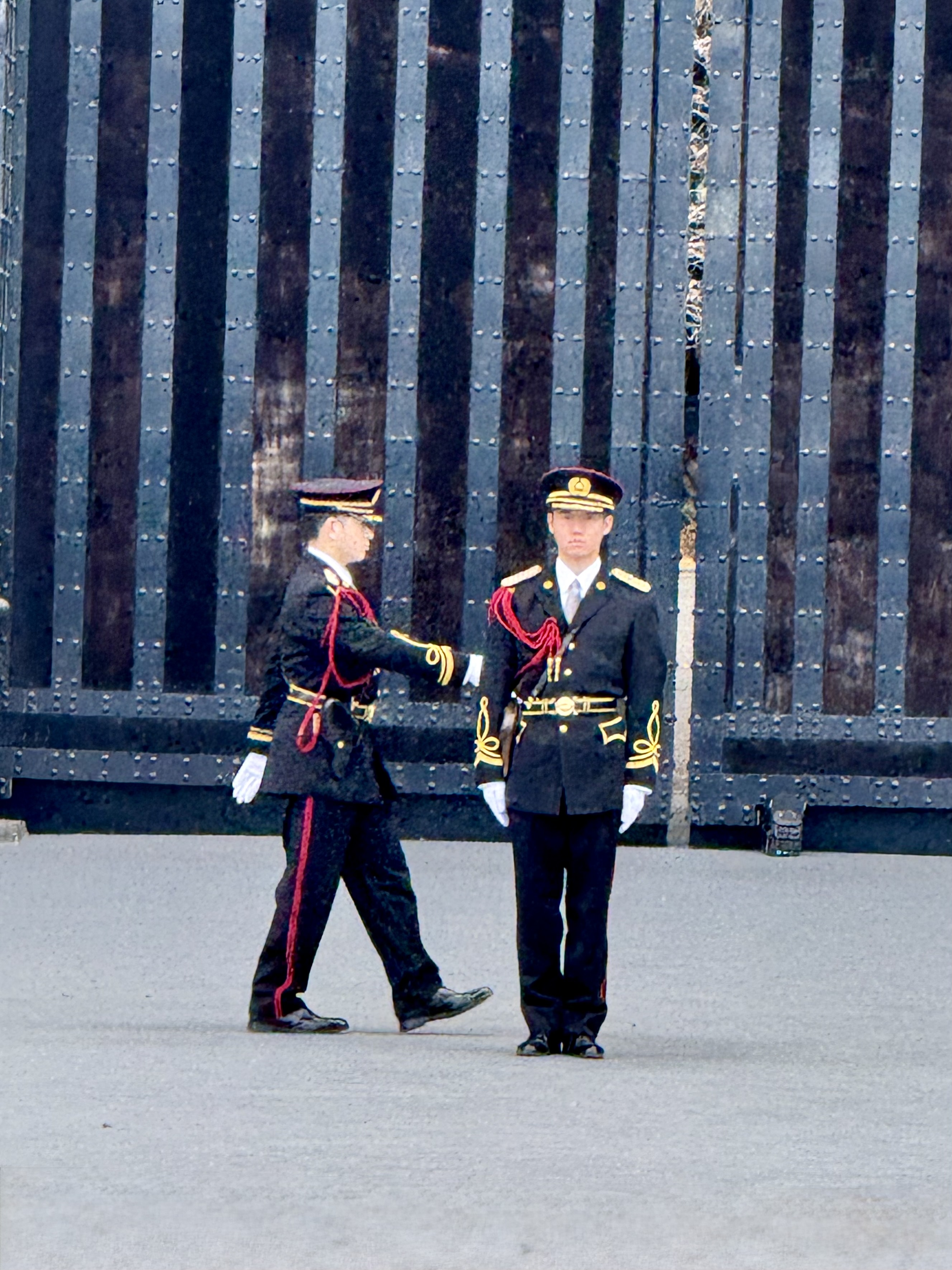
Lunch is in order, and as many locals do, we go below ground. We settle on a ramen place, and it doesn’t disappoint. Simple, salty, umami broth, flavored with pork and a hard boiled egg, accompanied by gyoza. It’s a tiny shop, and we are the only white people in here. A good sign.
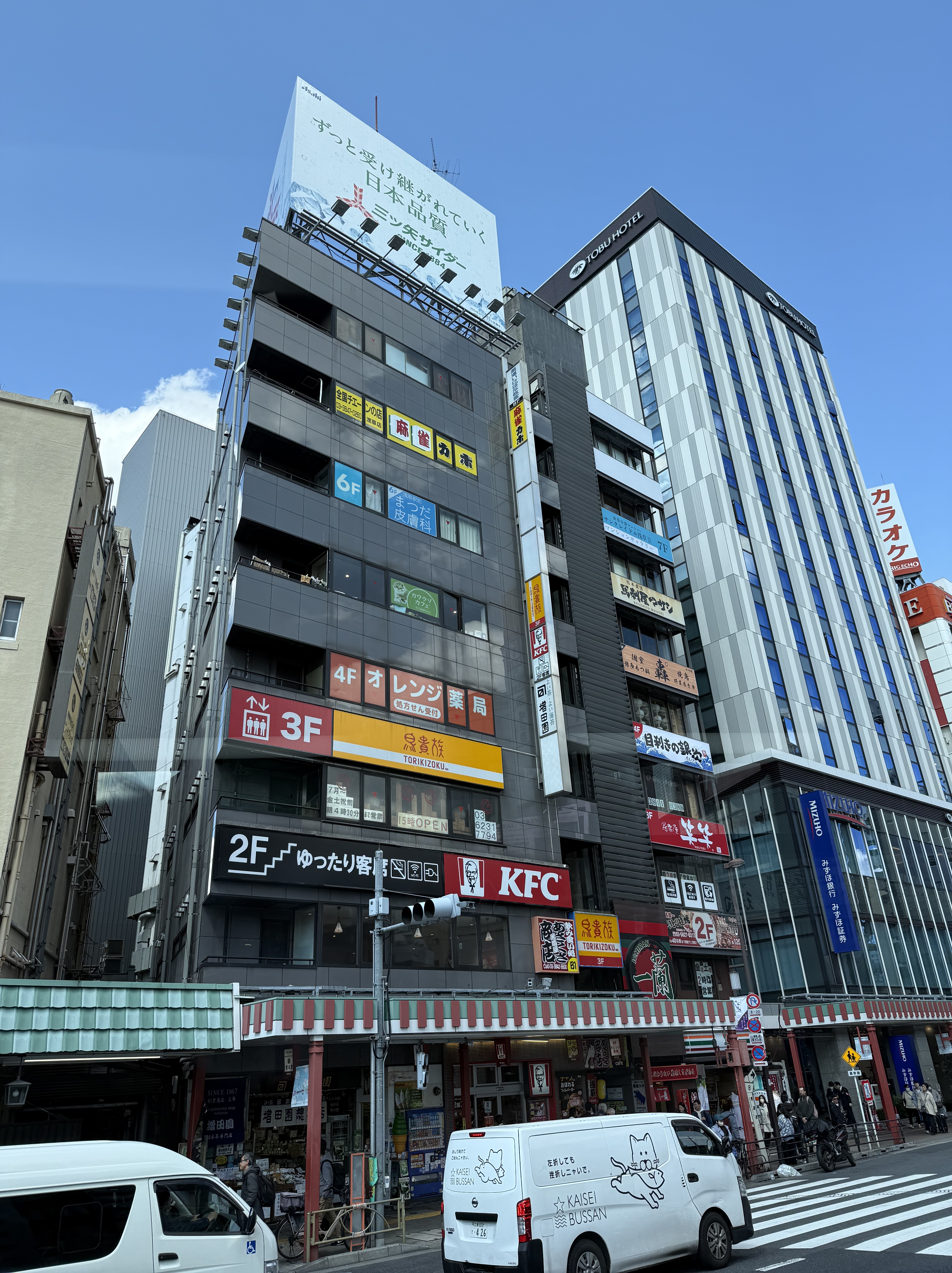
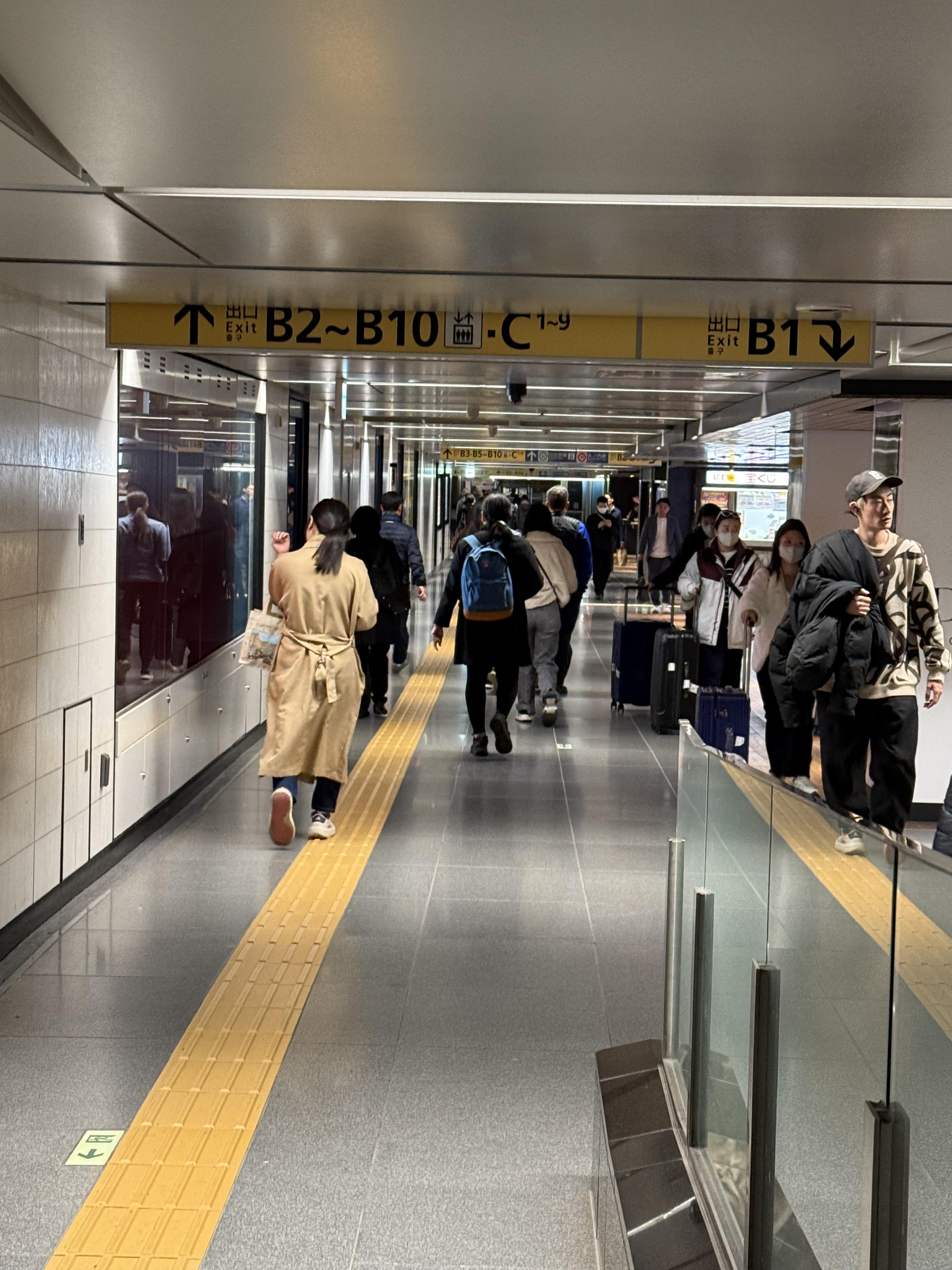
Speaking of “below ground,” this is one of the ways that Tokyo isn’t like any other city. It exists many floors above and at least a few floors below street level. The street itself simply divides the two. Looking for that restaurant at an address including B2F? That’s two floors down. Or maybe it’s at 7F? That’s seven floors up. It can make finding places tricky!
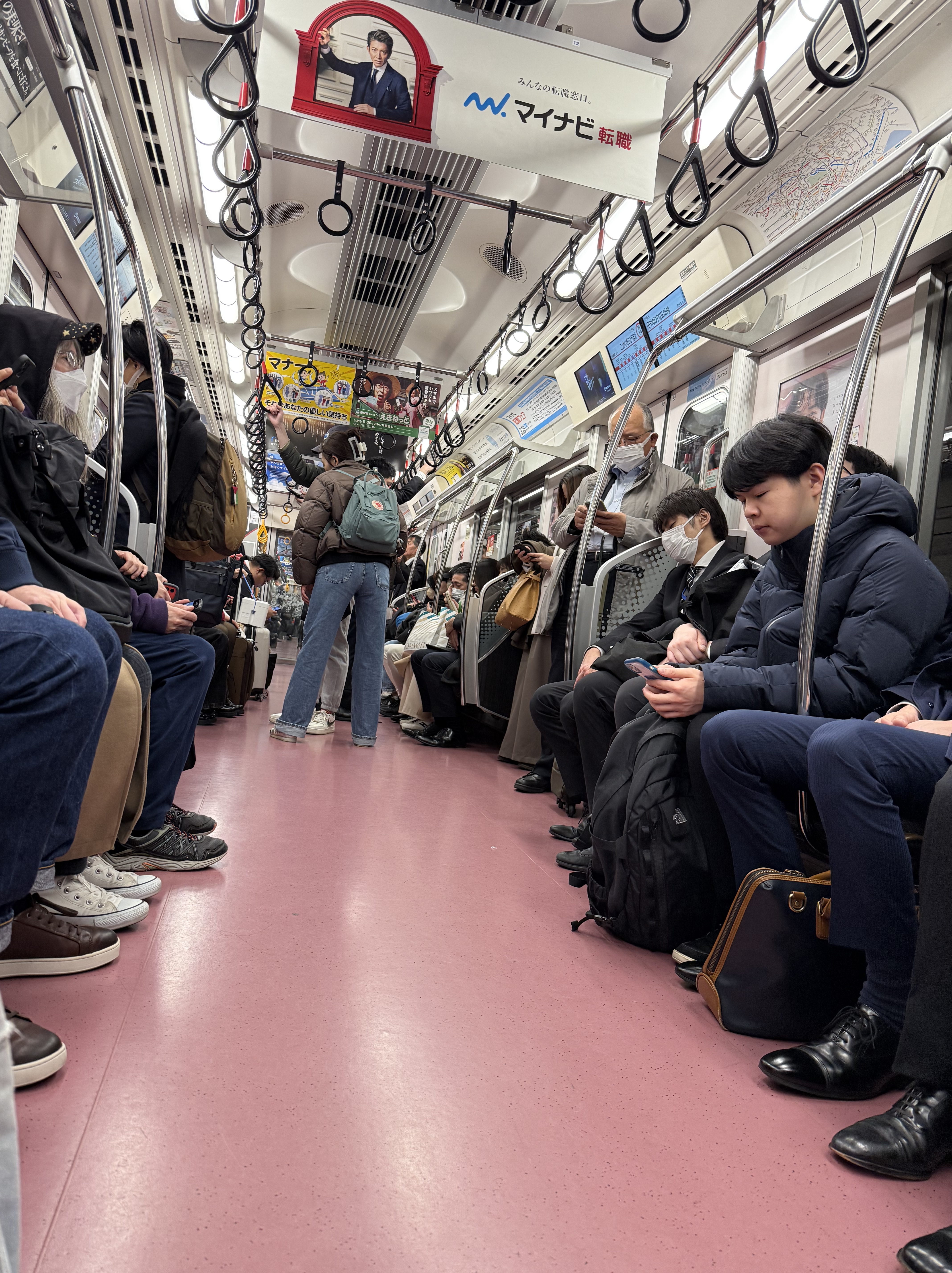
Another Tokyo difference? The sound of it. Or lack thereof. Somehow with all the people and cars and bikes and scooters and shops and offices, it’s quiet. Not silent, but quiet. No honking, no tires screeching, no screaming people, no blasting music, a siren is rare – no human symphony filing the air begging for your attention. Even the subway is quiet. There is a calm – harmony? – that belies the activity and hustle and bustle happening all around. The street is like the duck smoothly gliding across the water while his feet are paddling like crazy beneath the surface.

The hustle below rushes at us in the food halls. We visited two – both in the basement levels of giant department stores – each crowded and alive with sensory overload. Brightly lit, display cabinets abound, the colors assaulting your eyes and the aromas arousing your appetite…sweets and savories to be wrapped with far more pomp and circumstance than seems necessary. And of course, the perfect strawberries. Not sure they are worth $1 each, but they were pretty darned amazing.
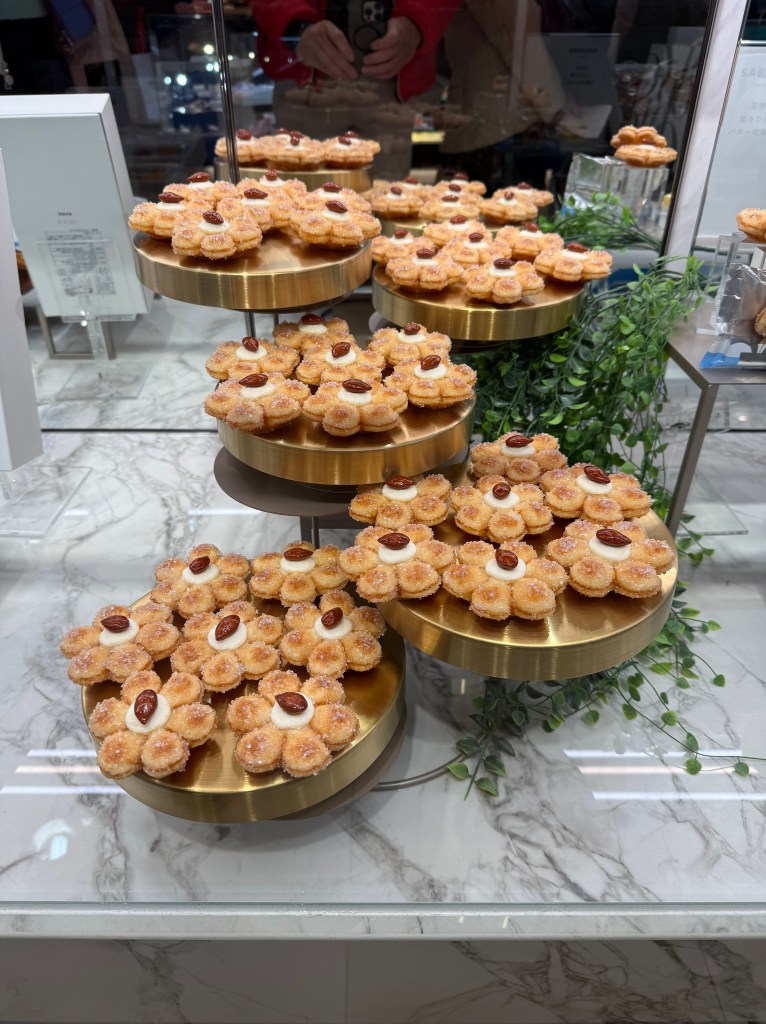
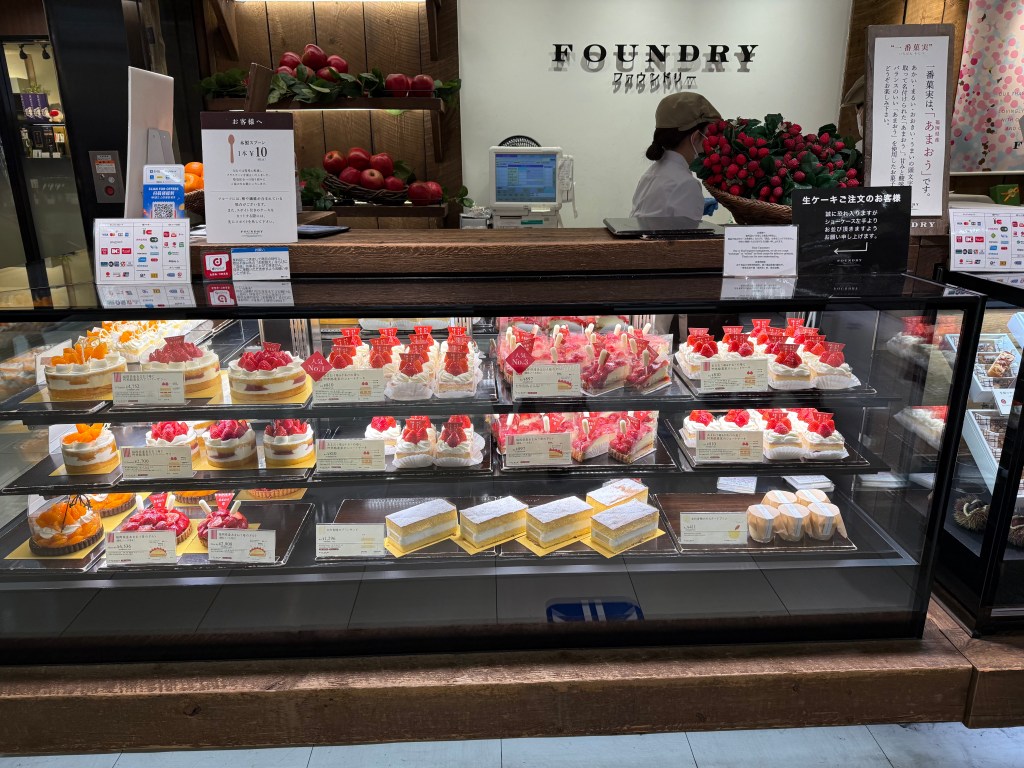
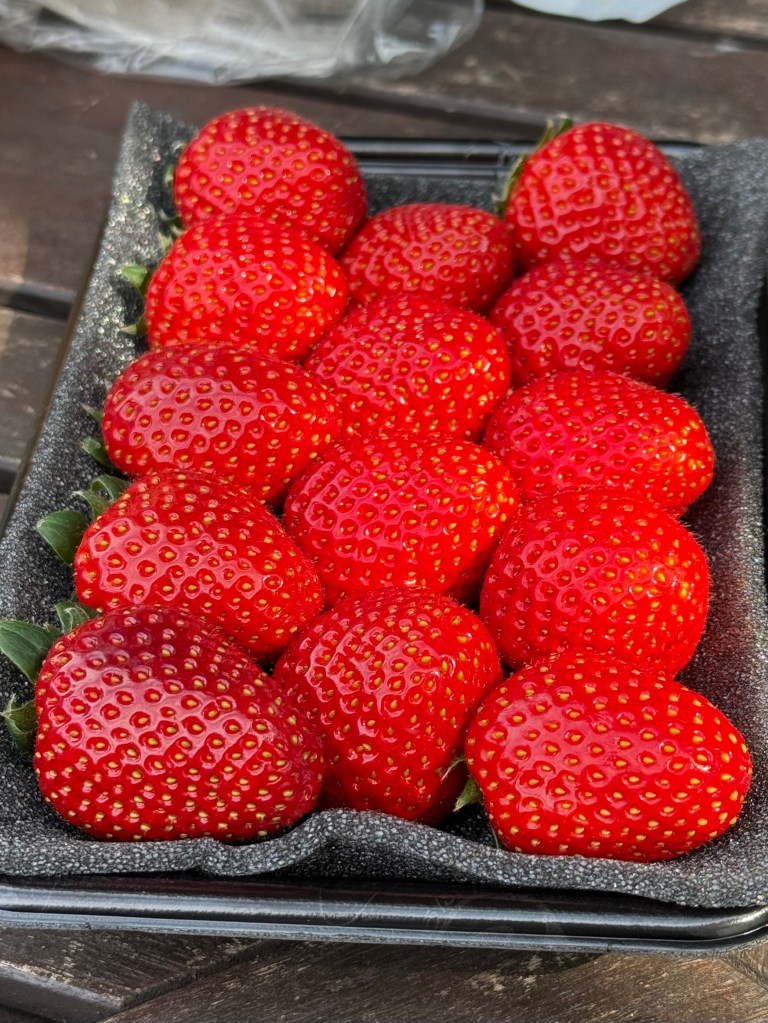
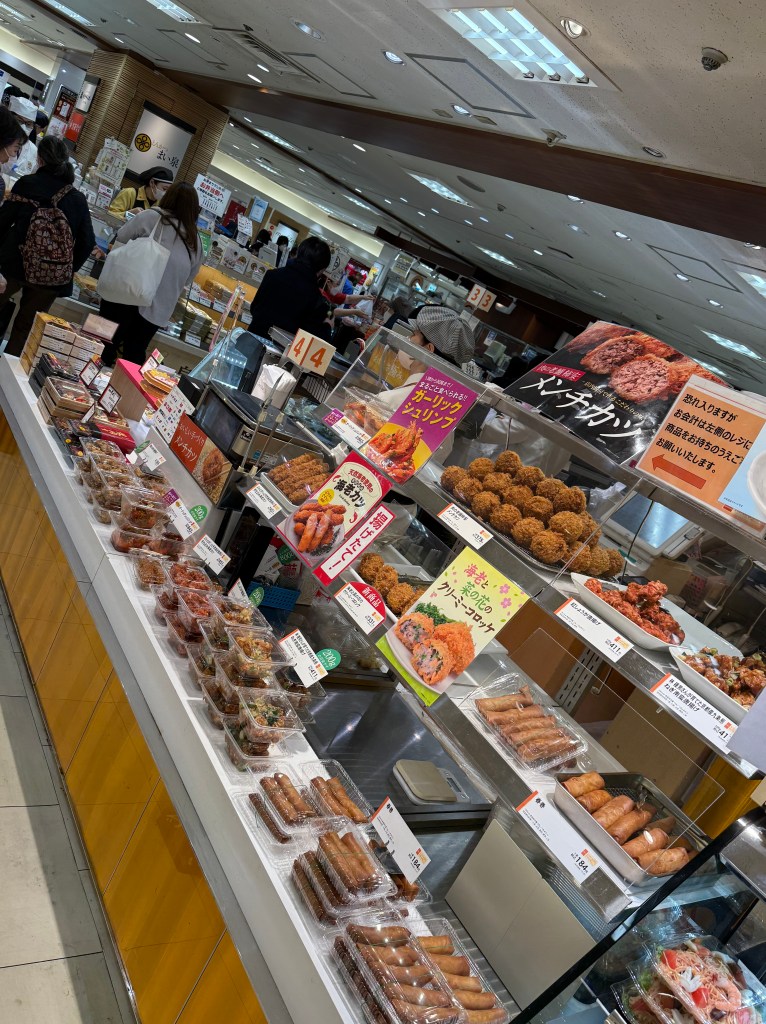

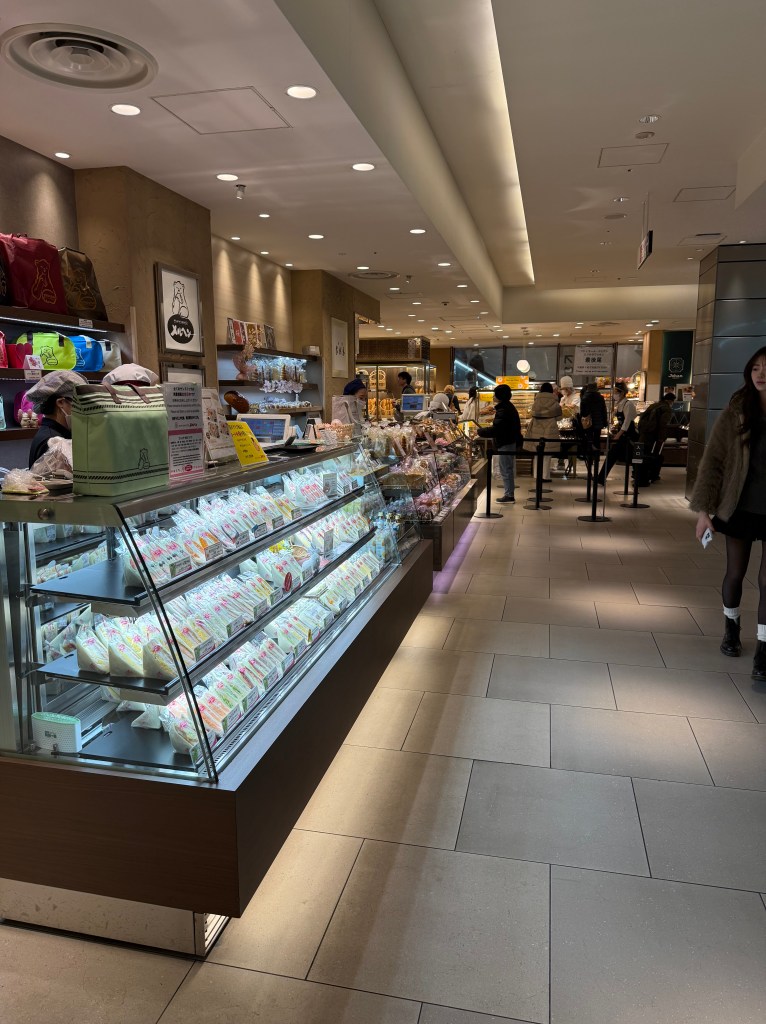
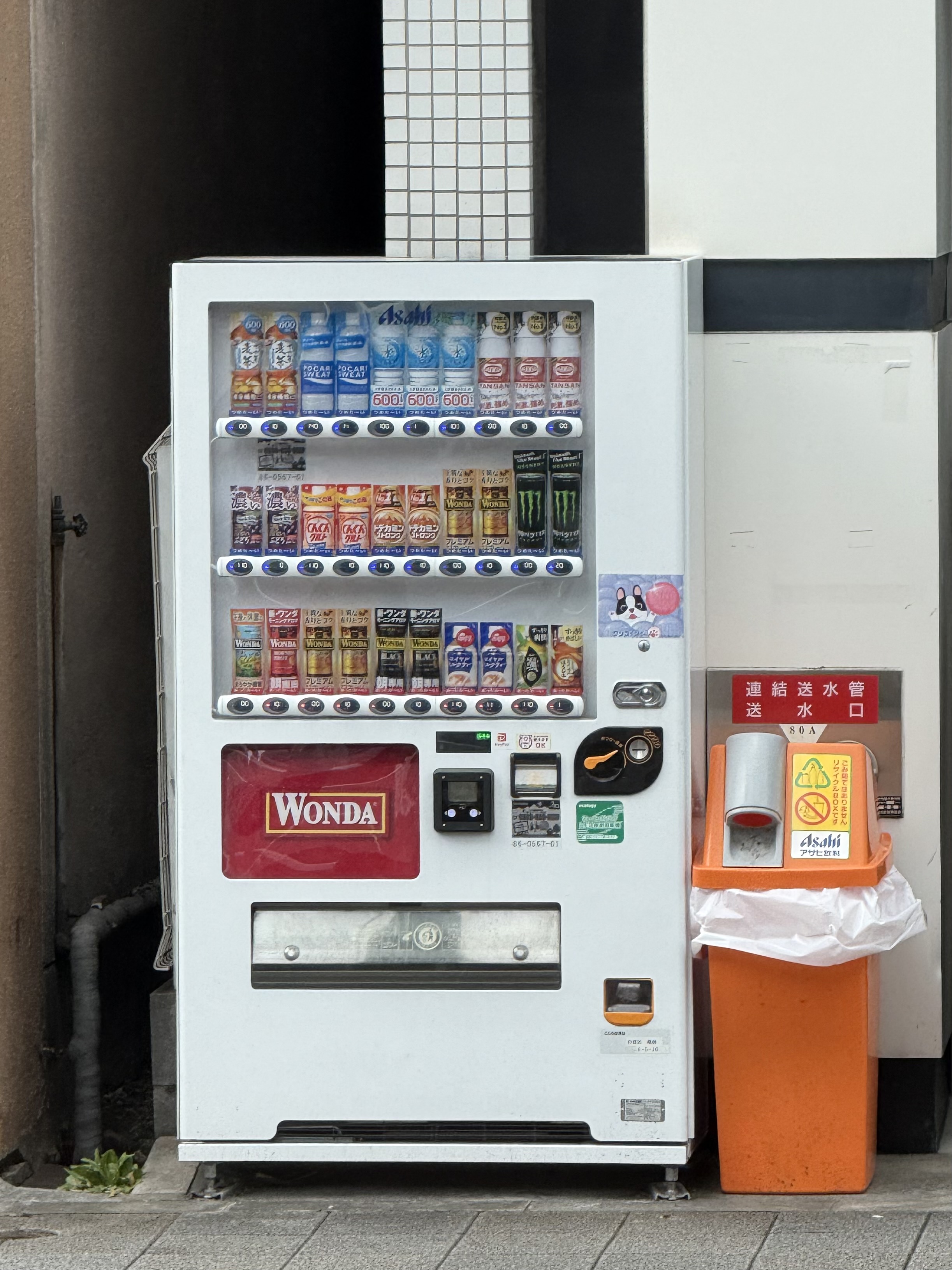
Another way Tokyo is different – it’s amazingly clean. And not a trash can in sight, except next to the vending machines that are everywhere. It’s a cultural thing: no one eats or drinks walking on the street. Literally, no one. It’s just not done. You buy a soda or a snack, and you stand right there. Then throw the container away before you move on. Lunch from the food halls? Take it home, or go to the garden terrace on an upper floor where there are tables to eat at. Thus, no one on the street has any trash to get rid of…


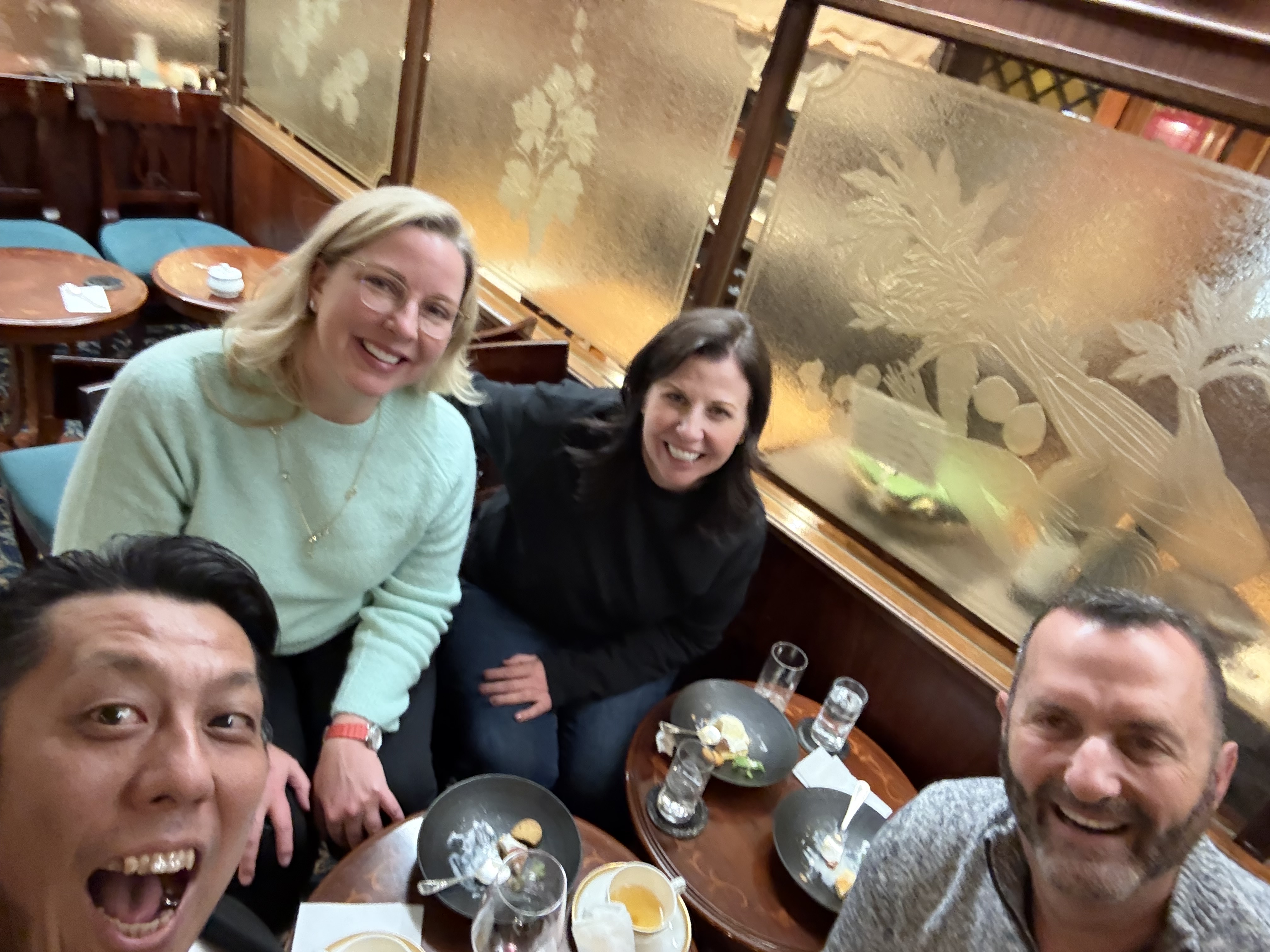
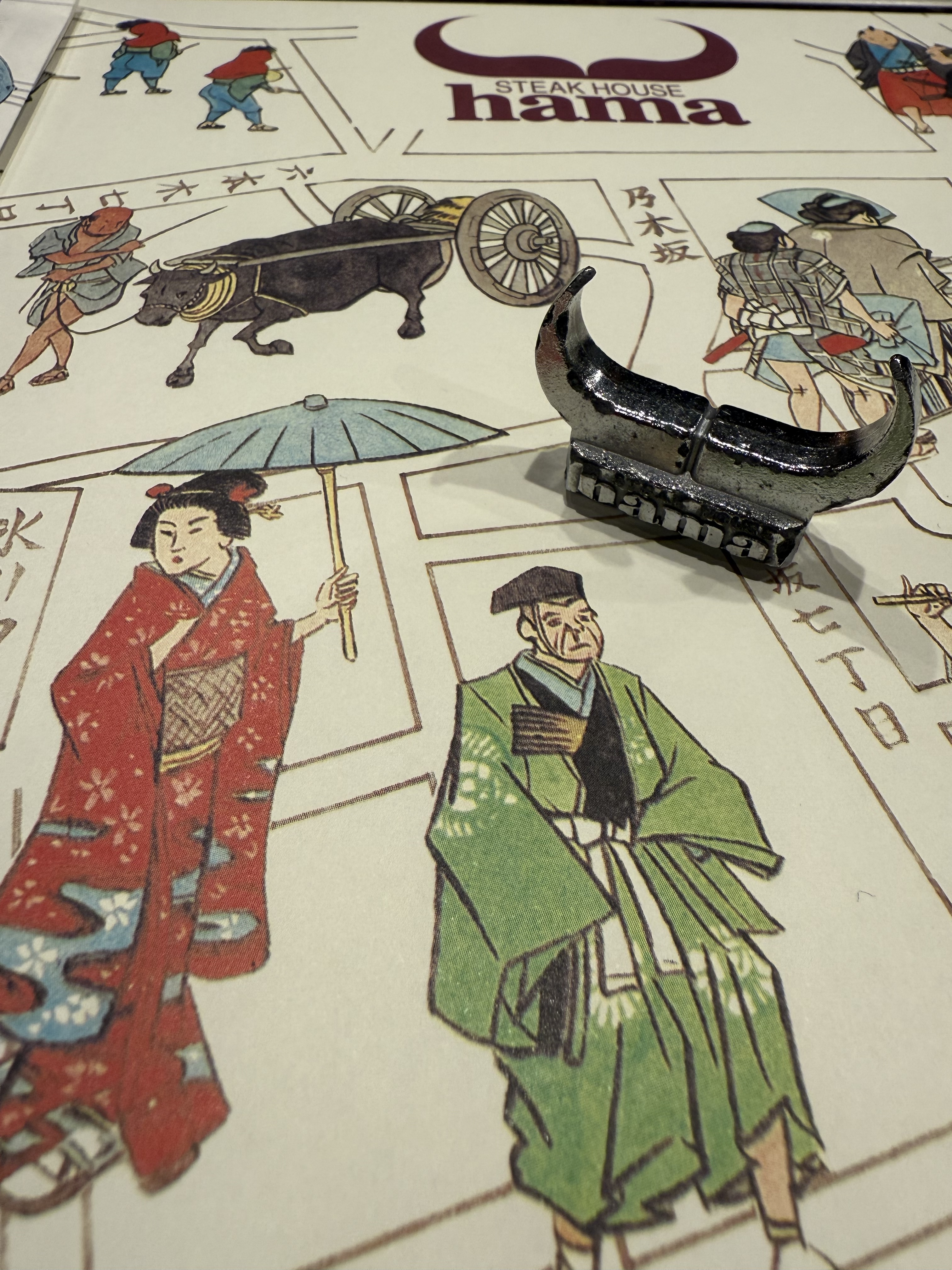
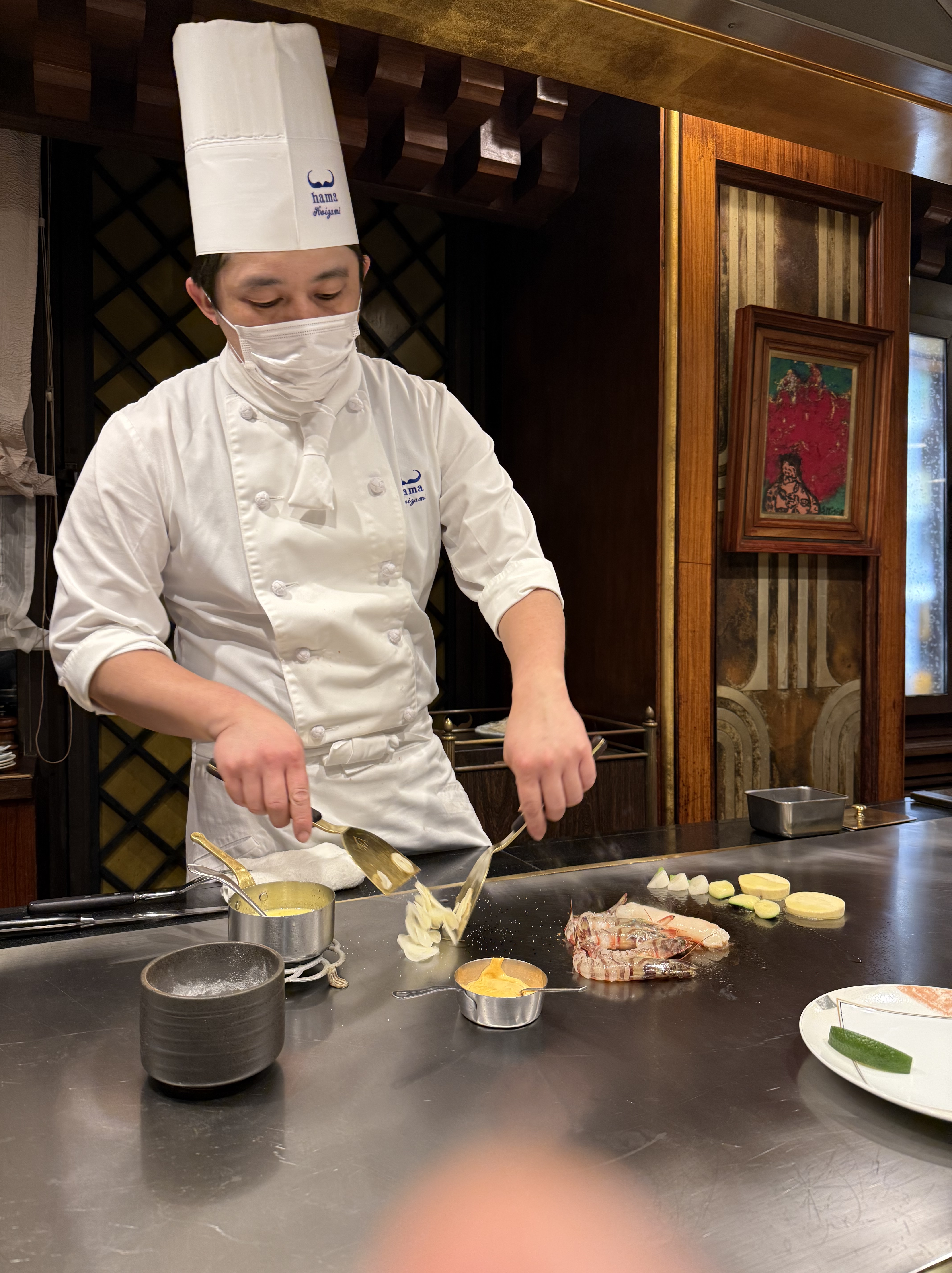
That night, we go across town to Ginza for dinner at a teppan steak house. It was recommended by friends who were here in October, and I had a picture of them with the host, hoping he might recognize Nikki & James.
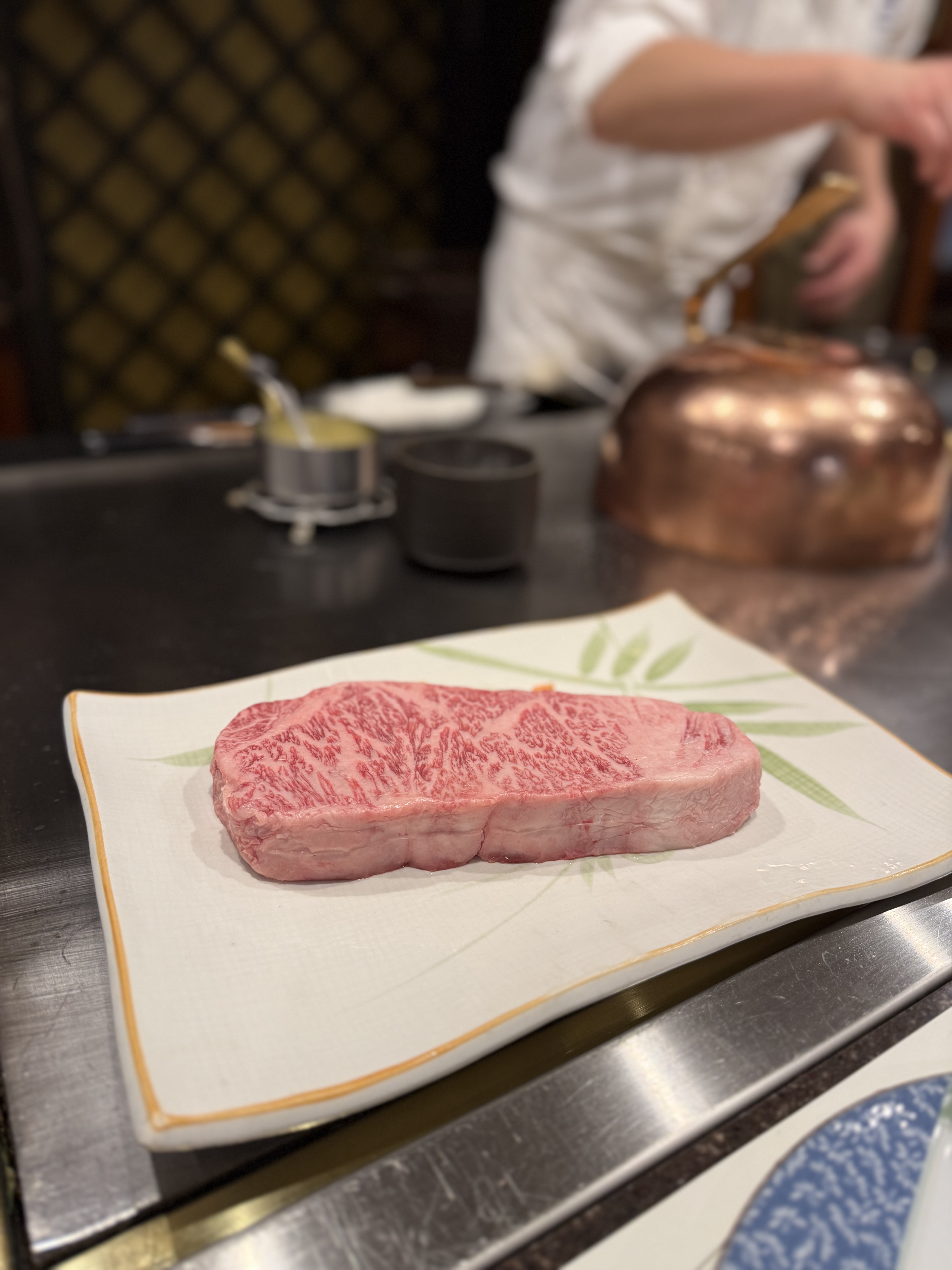
It’s a tiny place, on the 7th floor, and as we enter no one is there but then suddenly, a big smile appears from behind a red curtain with a “Mr. Michael?”. We were expected, and Hirano (our host) was SO thrilled that we were sent there by friends, who he remembered fondly when I showed him the picture. What a fun and fabulous evening…Hirano taking great care of us as we watched the most talented chef cook incredible food. Never have I tasted beef like this. Or eaten a flattened crispy shrimp head. Truly sublime was the entire meal.


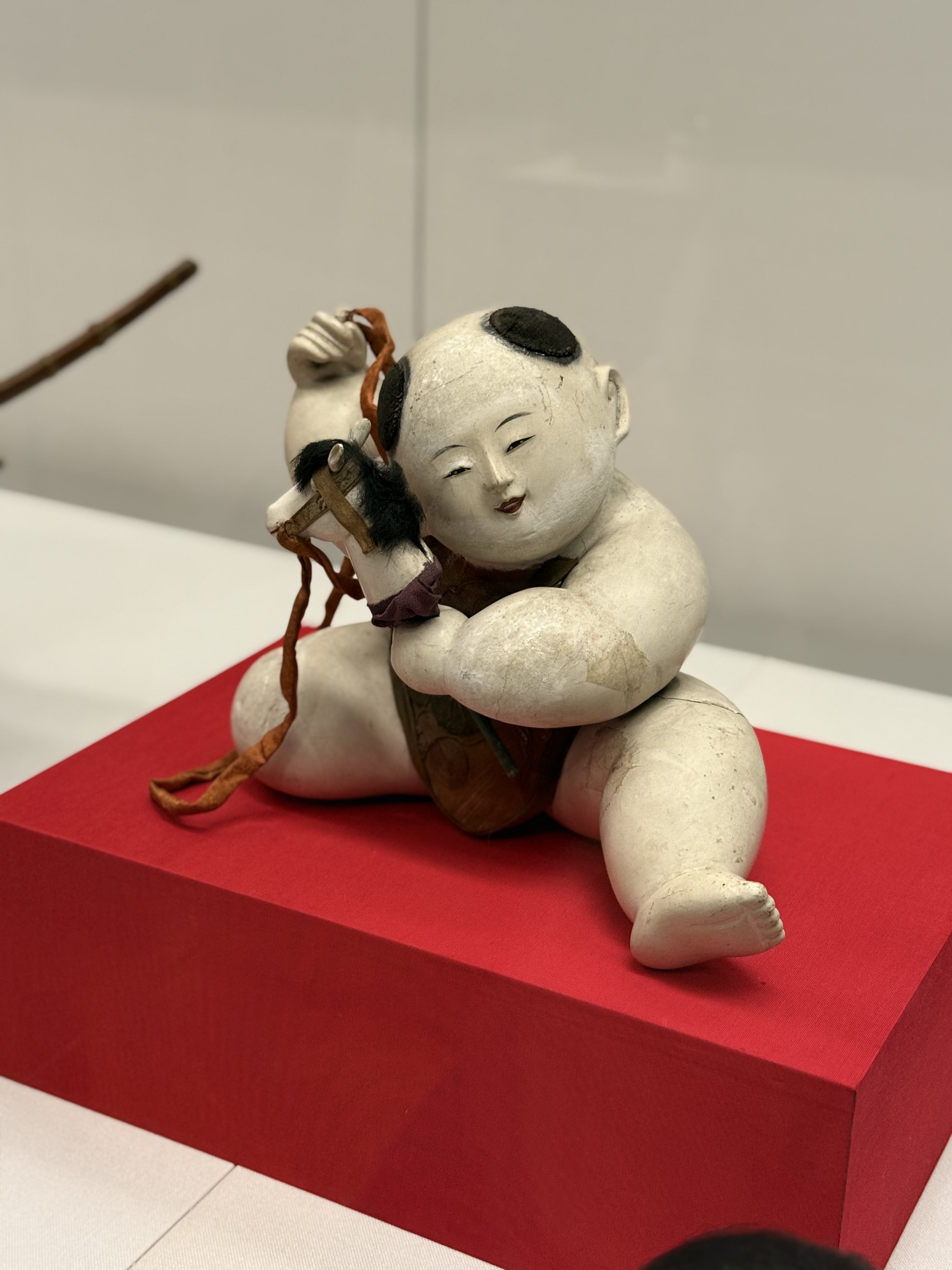
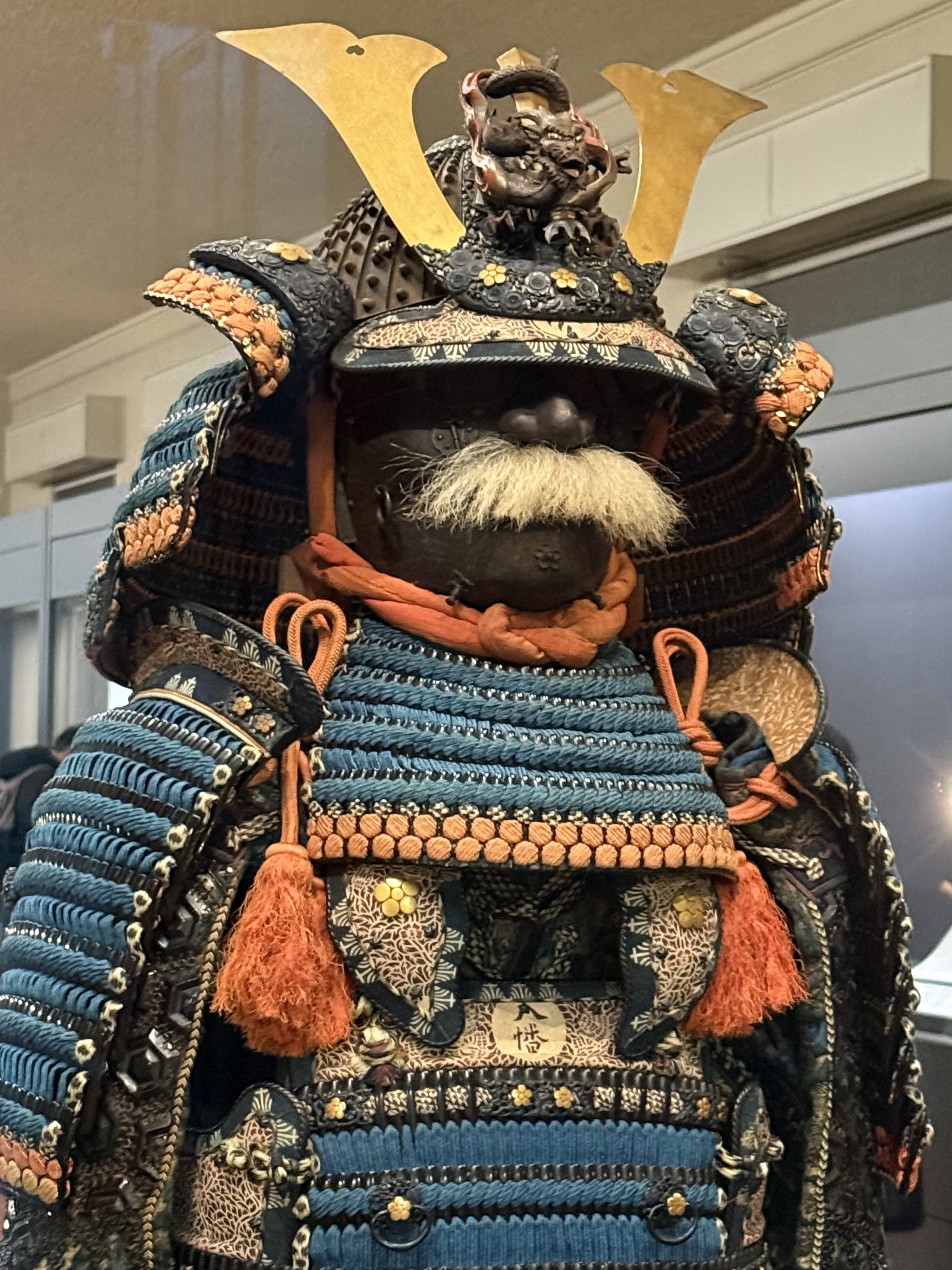
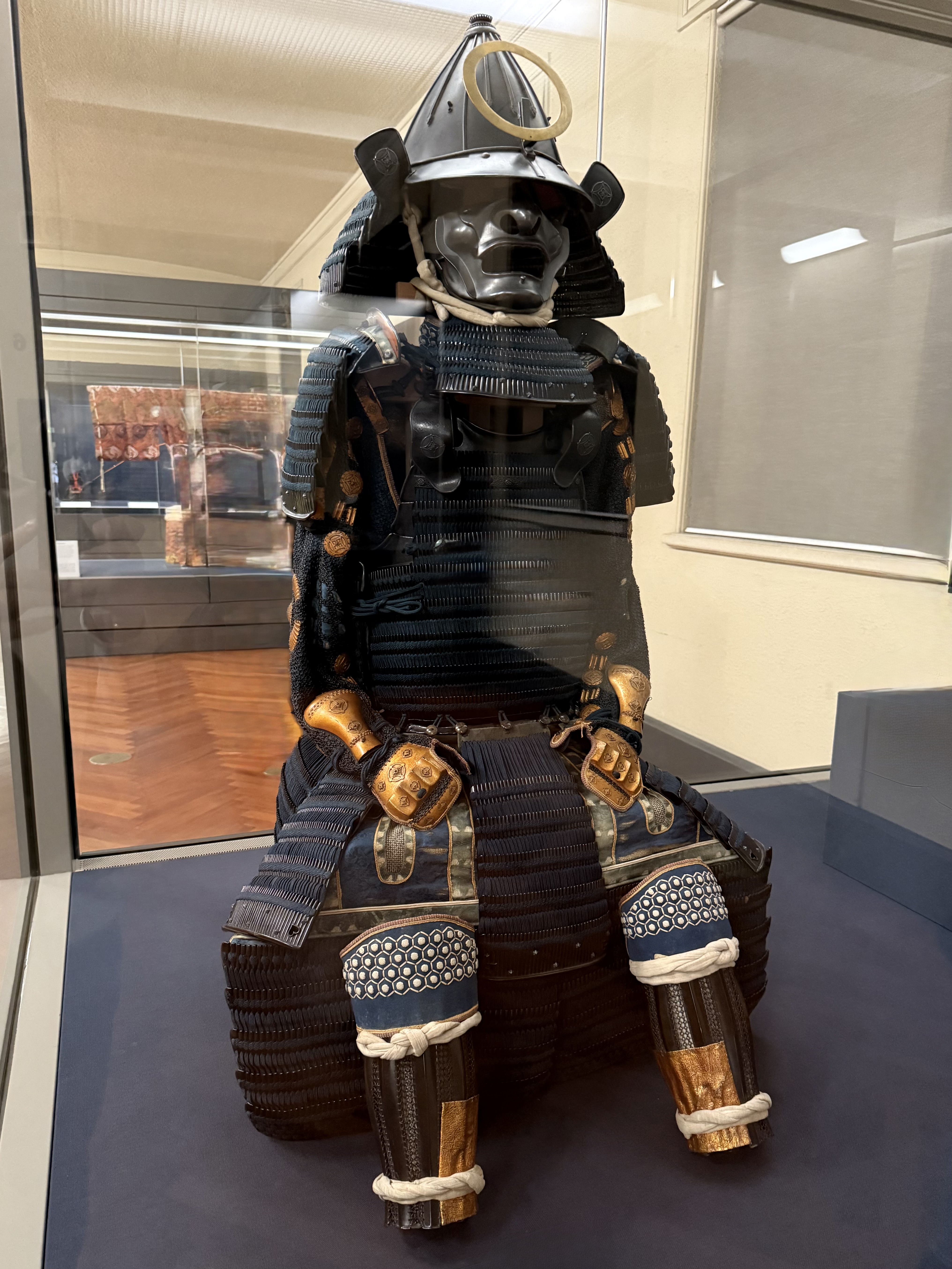
The next morning dawns chilly and clear with the Tokyo National Museum first up. It’s frankly a bit of an odd museum – poorly lit and strangely organized – but massive, spread out over several buildings. We’re directed to the doll exhibit (it’s the time of year for the doll festival?) and then left to forage on our own.
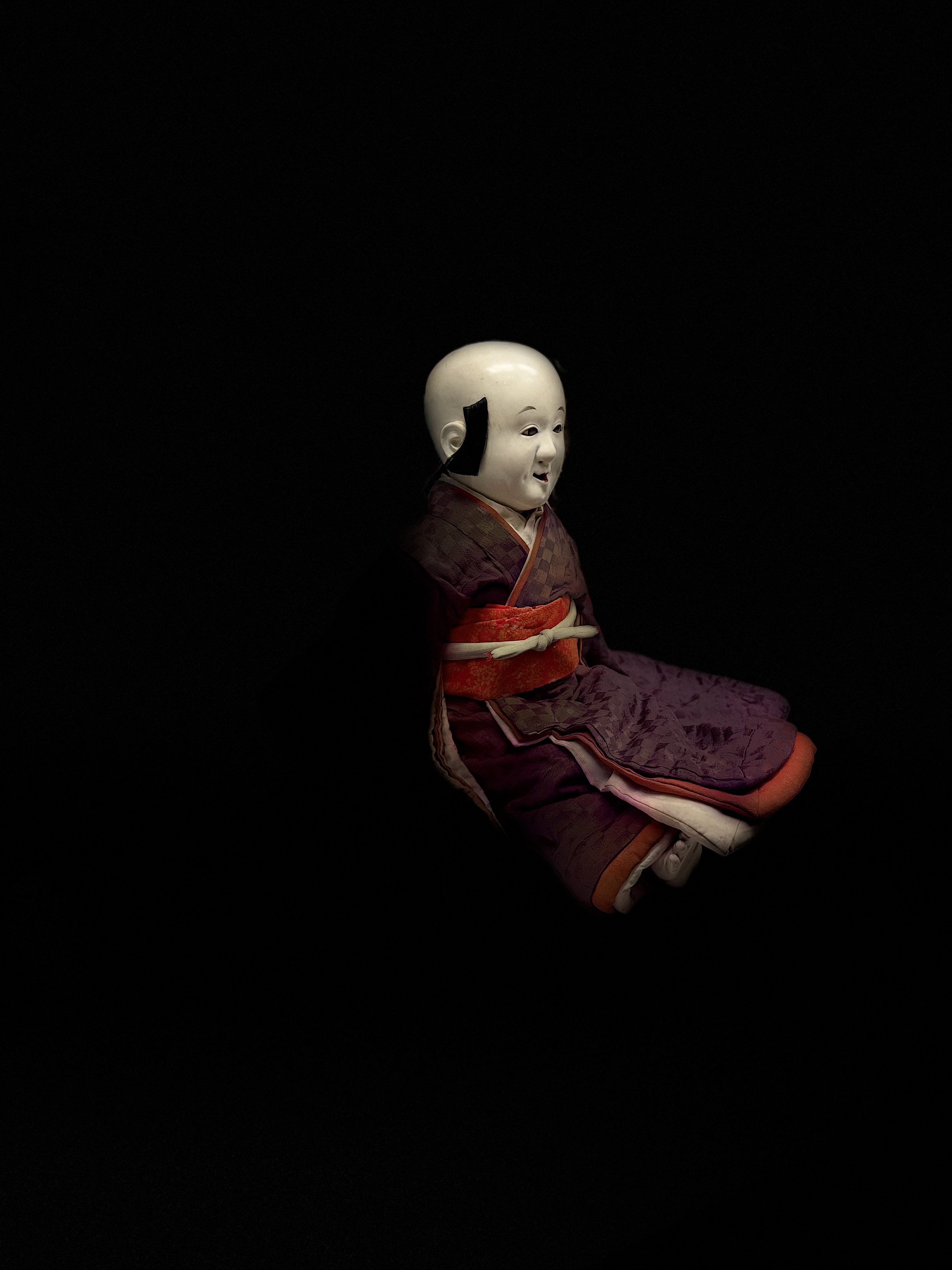
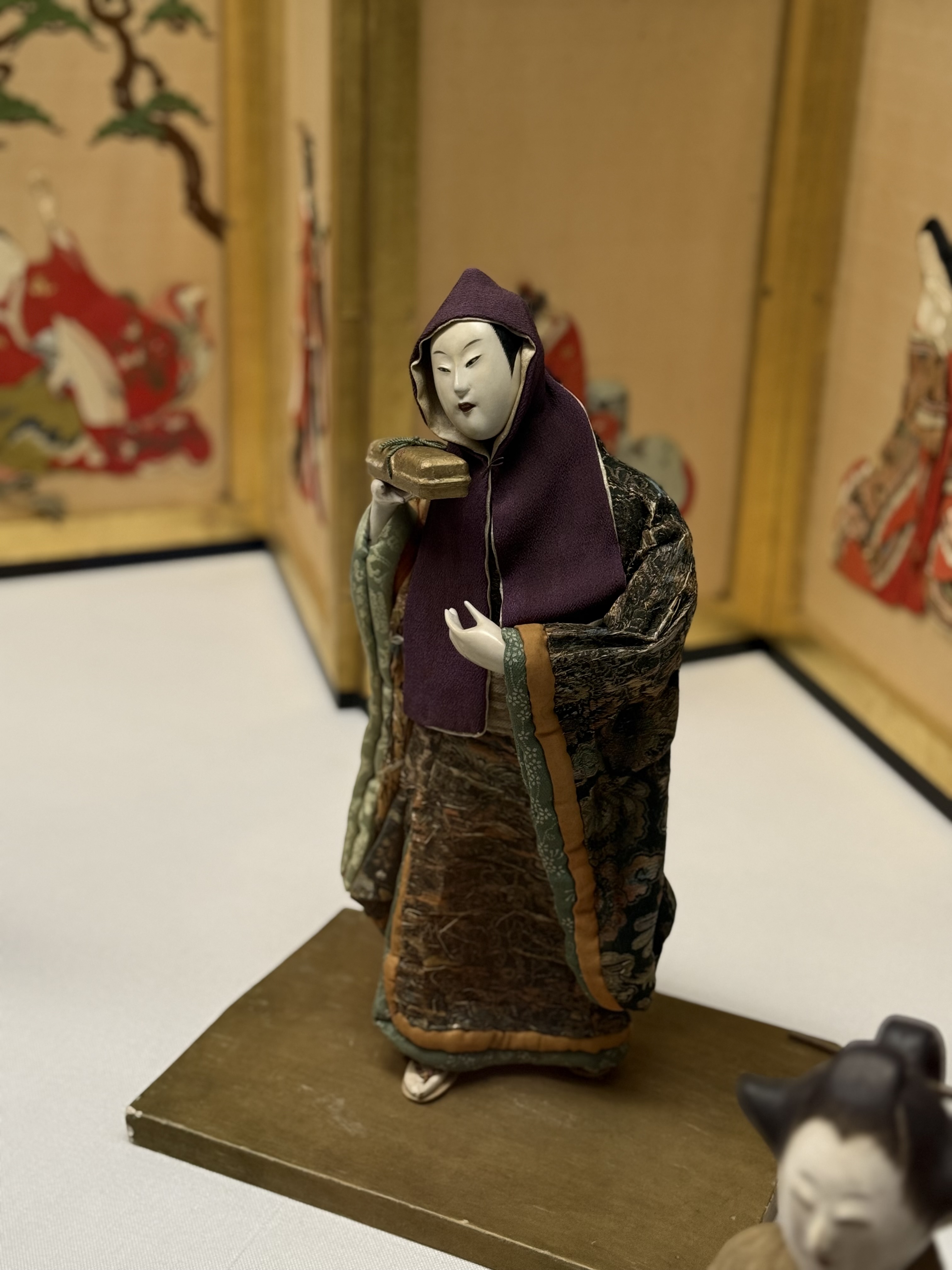

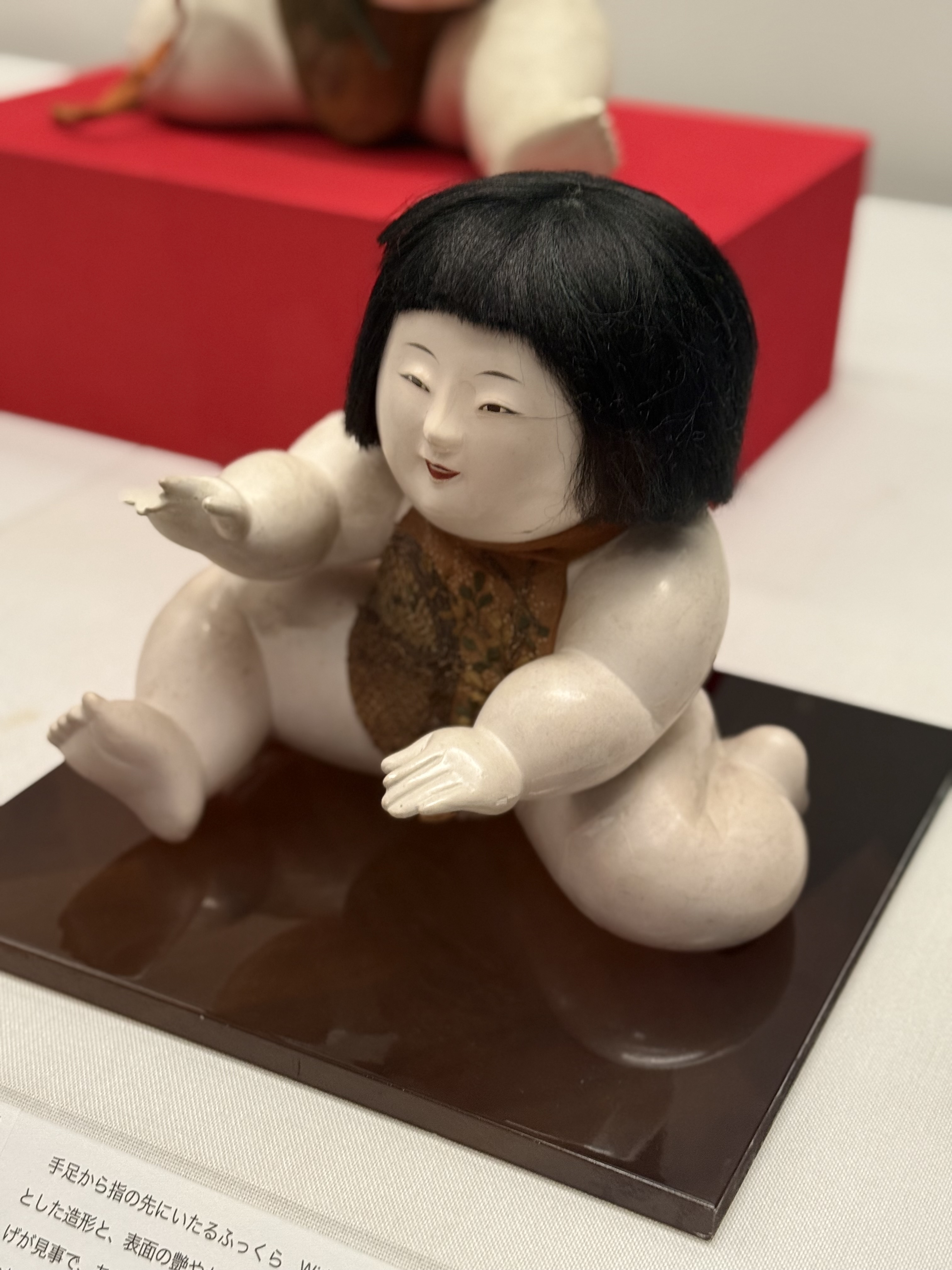
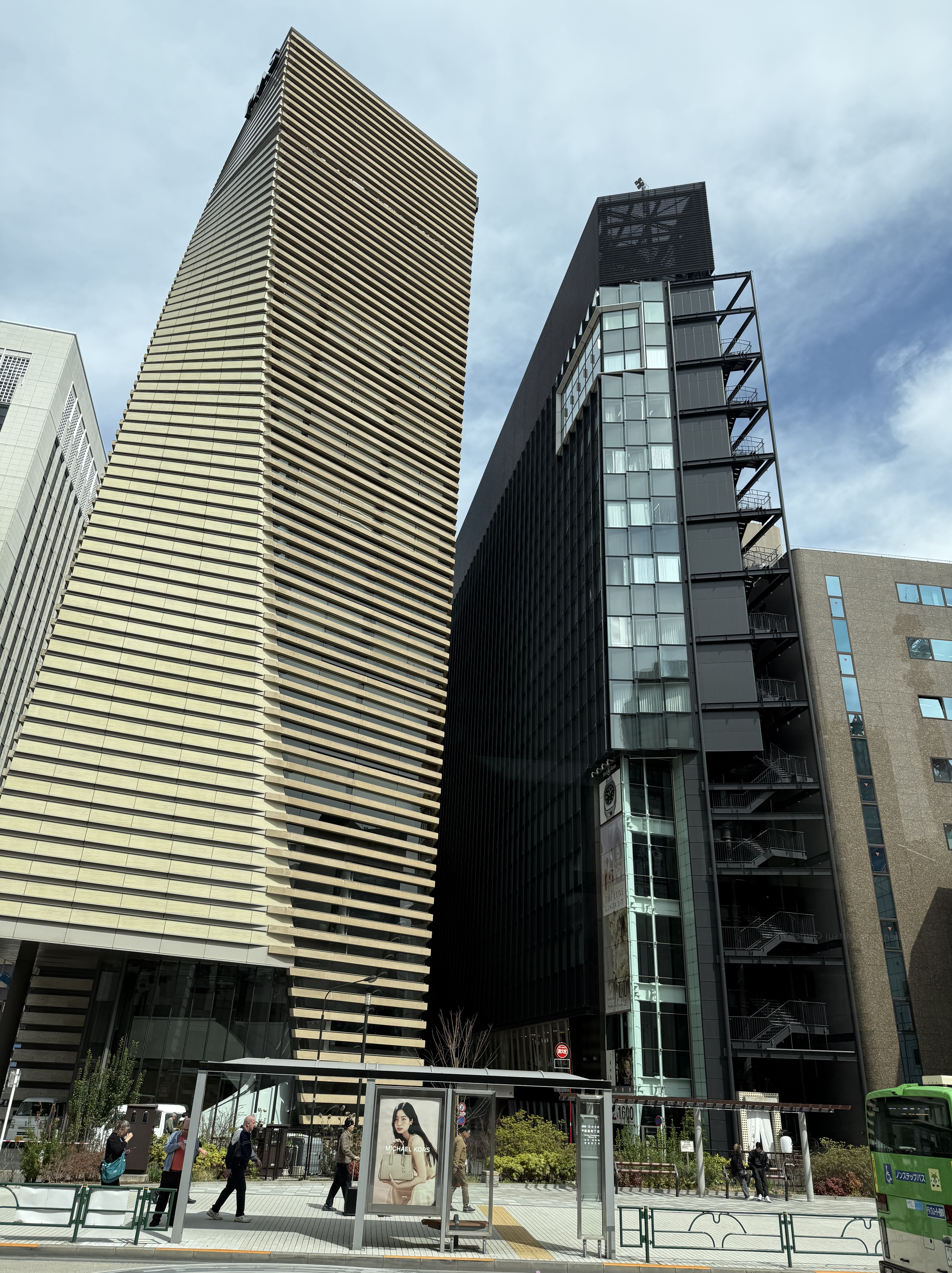
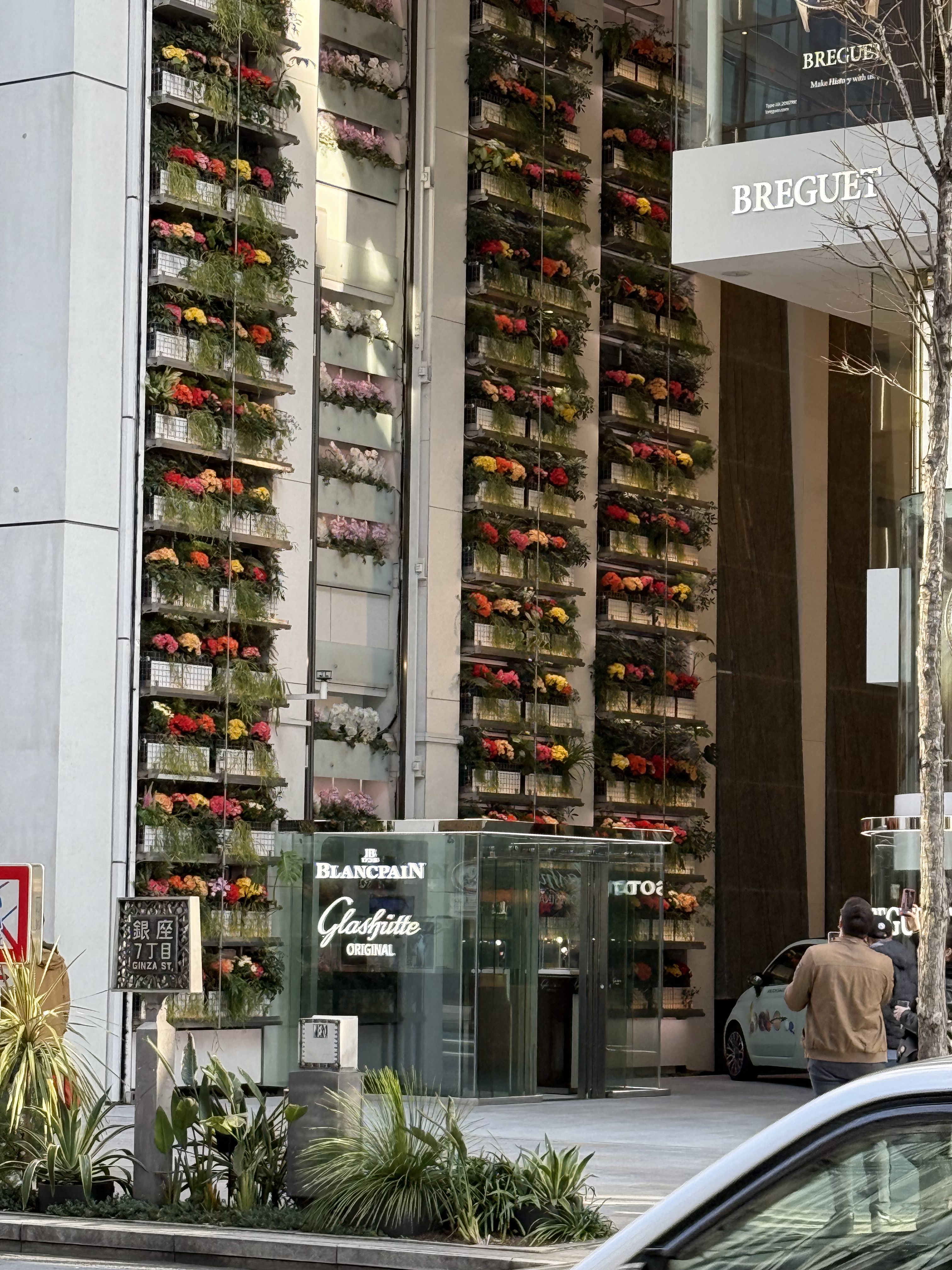
And that was it for the day’s official tour so we were dropped in Ginza, where Rodeo Drive meets Las Vegas, Tokyo-style. It’s buzzing with life…old and young, moms with strollers, tourists staring up the heights of glass towers with Hermes, Chanel, Prada…and some more accessible shops like Onitsuka Tiger (where we all buy some cool shoes). An easy – and cheap! ~$1.40 – subway ride gets me back to the hotel while Martine and Kara continue the shopping adventure.


The sun struggles at dawn, lighting the sky slowly as it makes its way through the hailstorm! We expected some nasty weather, but hail?! That then turned to snow – big beautiful light flakes. In spite of the cold chill, snow falling in Tokyo is pretty magical. A white blanket gently begins to cover the cityscape as we head to the Meiji shrine (Emperor Meiji is the father of modern Japan; early emperors were considered deities). It’s an oasis in the city’s center – a vast wood forest surrounds the main shrine – and I’m sure much more enjoyable when warmer and without the confines of an umbrella.
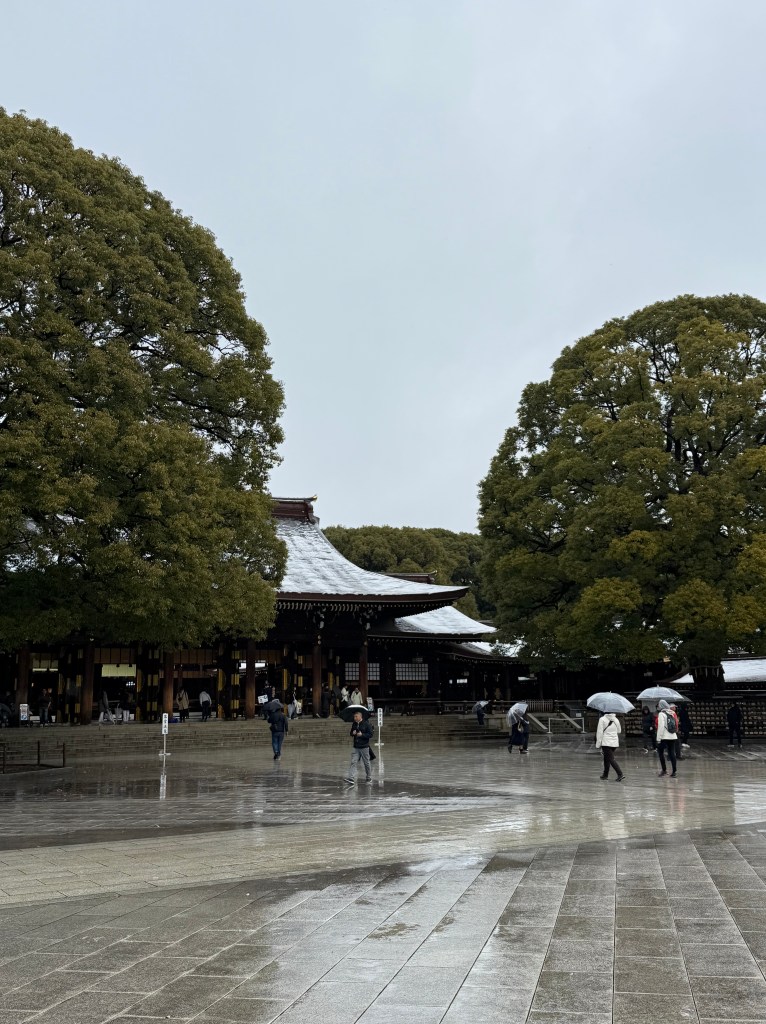


Our shrine visit is rather brief, after which our driver expertly navigates the highways and byways and tunnels and overpasses of this transit pretzel, and soon we are headed over the Rainbow Bridge – wait, we’re headed over the rainbow bridge?! That is indeed what it’s called but to us Americans, that is the crossing our pets make when they die. That is not our fate here – phew! – as we reach the opposite side of Tokyo Bay where the Odaiba observatory is perched at water’s edge. It’s quite spectacular to see so much of the city from here, even in the cold rain. Odaiba is actually a manmade island, built in the 1850’s for defense purposes, now serving as a tech and entertainment hub.

Our last stop is the Hamarikyu garden back across Tokyo Bay and…it’s still really cold and wet, the snow having turned to rain. Not exactly weather for a garden stroll. We take matters into our own hands, skipping the garden, bidding the bus adieu and grabbing an Uber.
We traversed the Rainbow Bridge again on our way to the ship, and the Tokyo skyline faded into its snowy cotton shroud…

*Kanji is the pictogram-based written form of Japanese. There are nearly 3,000 “logographs”, and schoolchildren spend years learning them. There is also a phonetic form of written Japanese. Many public things, like signs and advertisements, are written in both.
 Dirt Roads and High Rises
5 responses to “The Land of the Rising Sun”
Your adventures never disappoint:)
LikeLiked by 1 person
So many wonderful adventures!
Thank you for sharing♥️
LikeLiked by 1 person
what amazing experience!
I can’t wait to gather information from you, hoping in the future to make a trip to Japan . your descriptions and info are 👏🏻
LikeLiked by 1 person
Oh, I love reading about your thoughts and perspectives on Tokyo. It is such a wonderful and amazing place! The snow and cold can make it rough for sure- but all of those shrines and temples are beautiful no matter the weather!
LikeLiked by 1 person
Thanks Michael. Nice traveling with you. Hal Glassberg Sent from my iPad
LikeLike