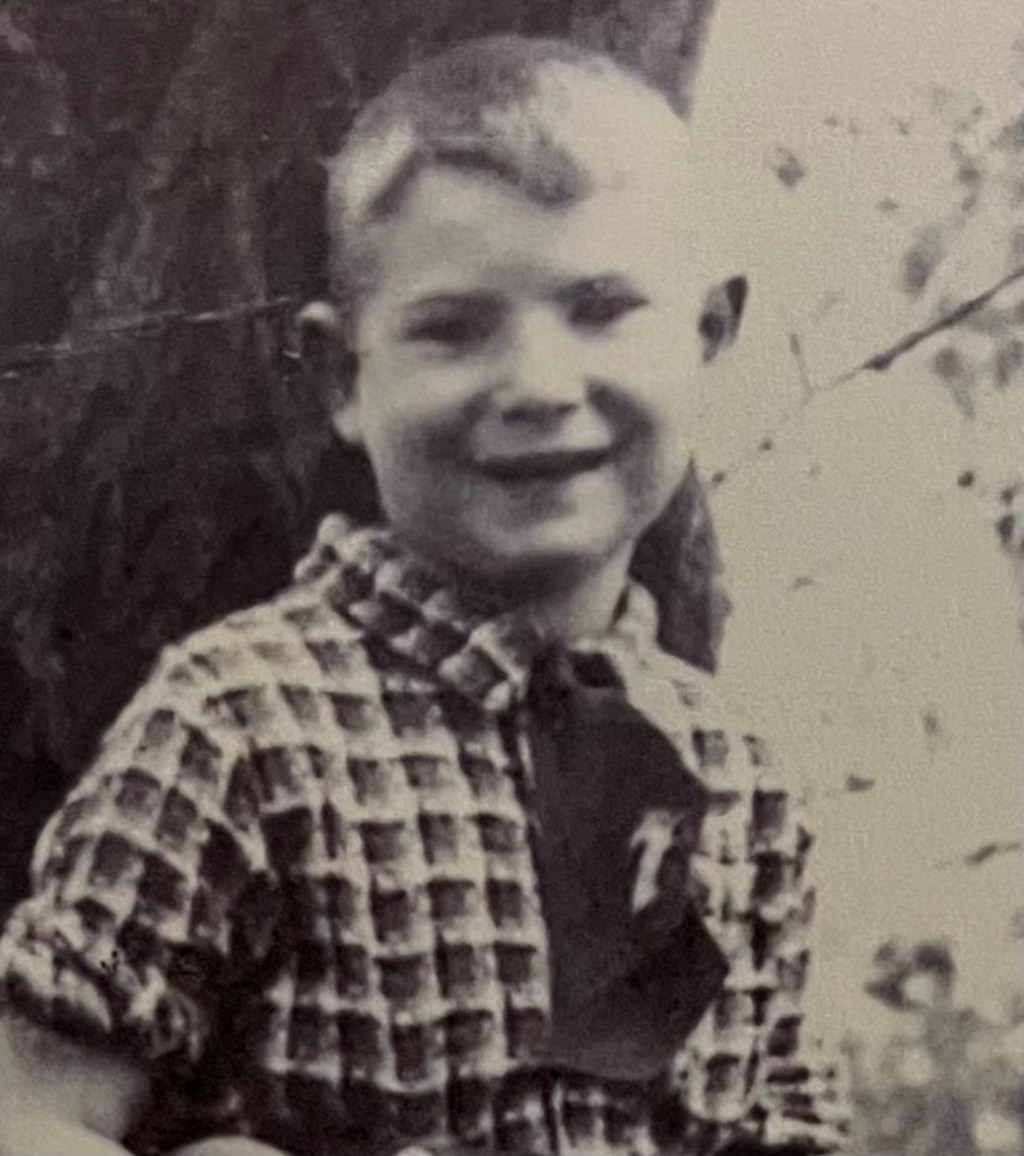
After a full day and lots of walking yesterday (15,000 steps!), we were all glad dinner was just a couple doors down, a short walk in the rain. The evening’s conversation turned over with the night, and we rose the next morning to drizzly grey skies. Perfect for a museum day, as we are going to Yad Vashem, the World Holocaust Remembrance Center. And it is not just a docent tour we get, but also a “twinning ceremony” for Soli. They have a program where a recent bar mitzvah boy (or girl) gets “twinned” with a child killed in the holocaust before he or she could have their own. Just the idea tugs at our hearts and we’re sure there won’t be a dry eye…
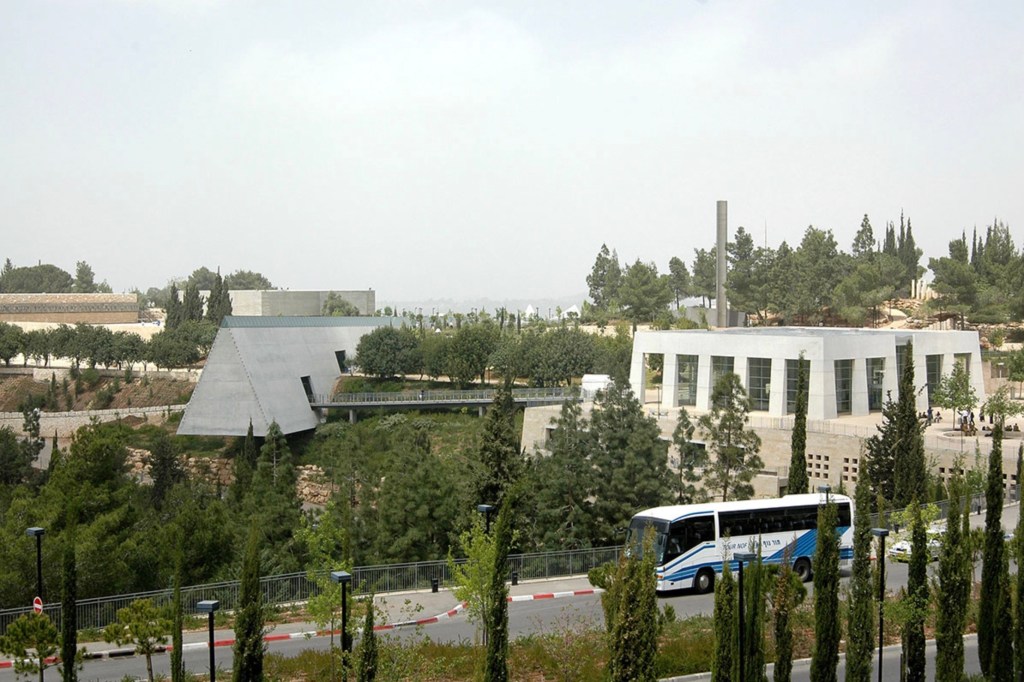
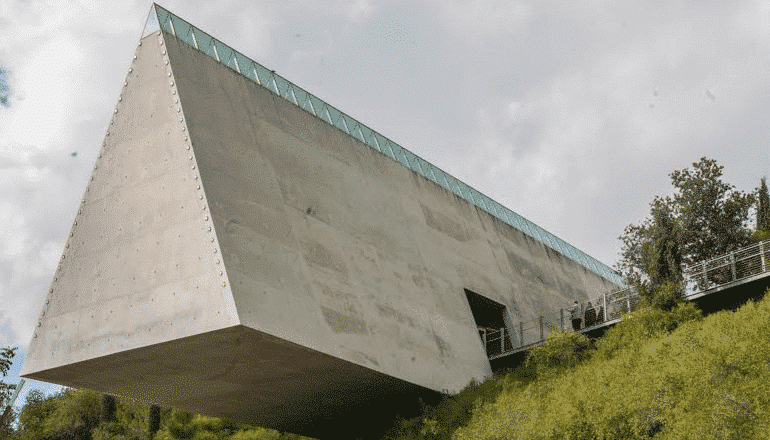
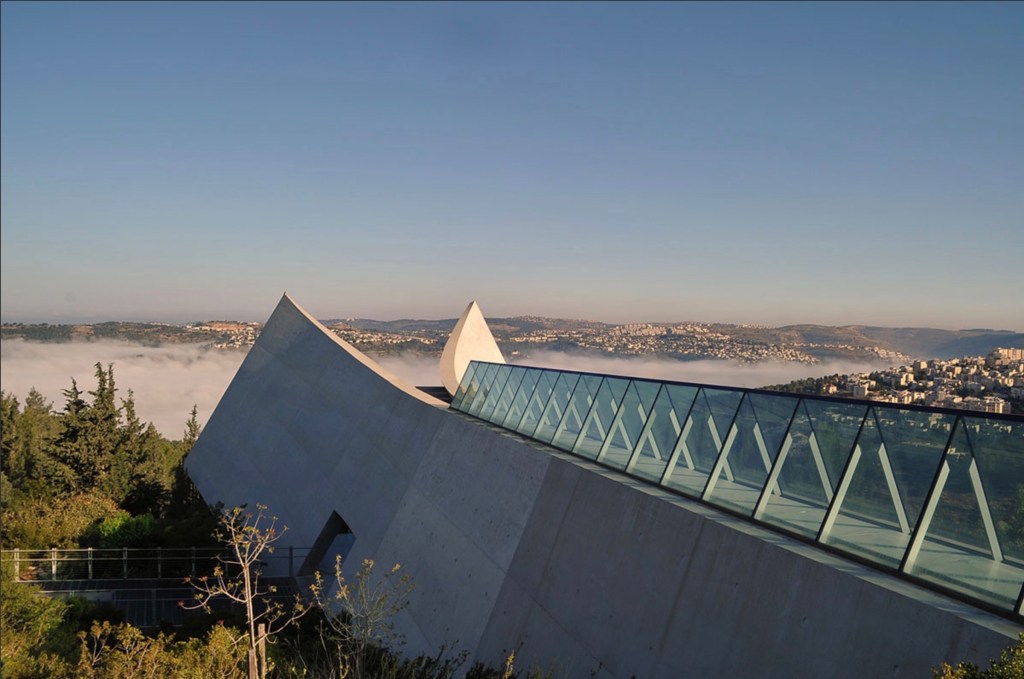
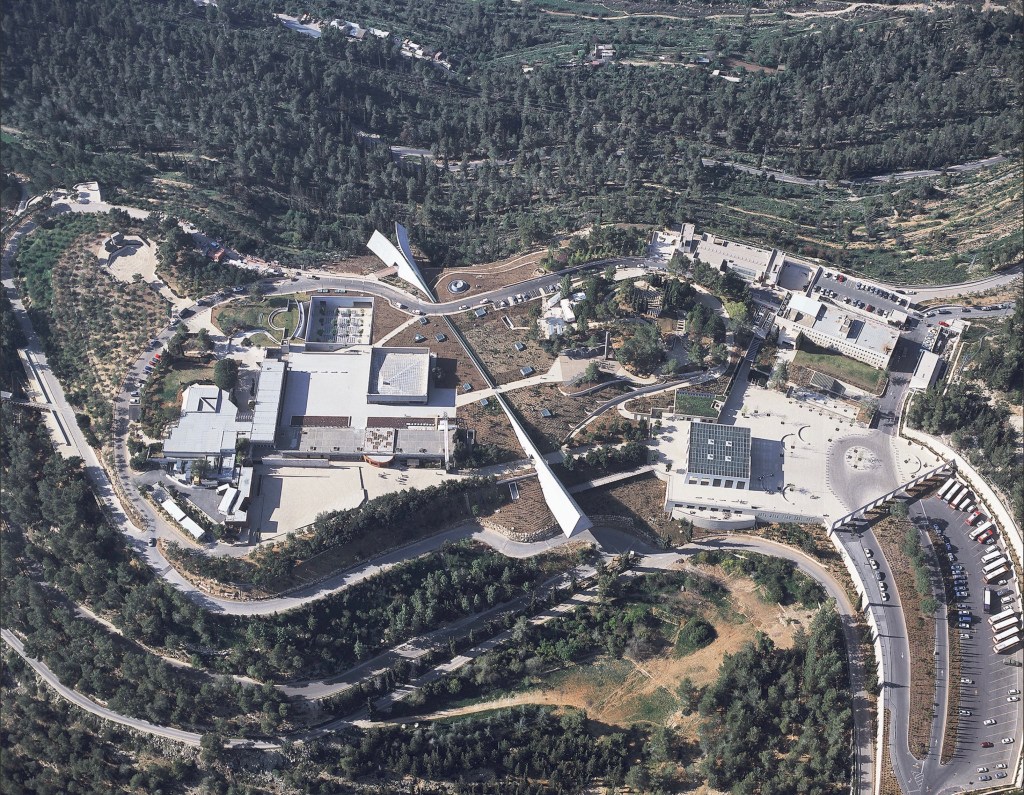

We are warmly greeted by Alice, who will prove to be an amazing docent, deeply knowledgeable about the museum and the holocaust, and so engaging with us. She brings this tragic history to life and personalizes it as only someone whose family who are survivors can do. She brings us through the must-see exhibits (I cannot use the word highlights); there is far too much here to take it all in over a 90 minute visit.
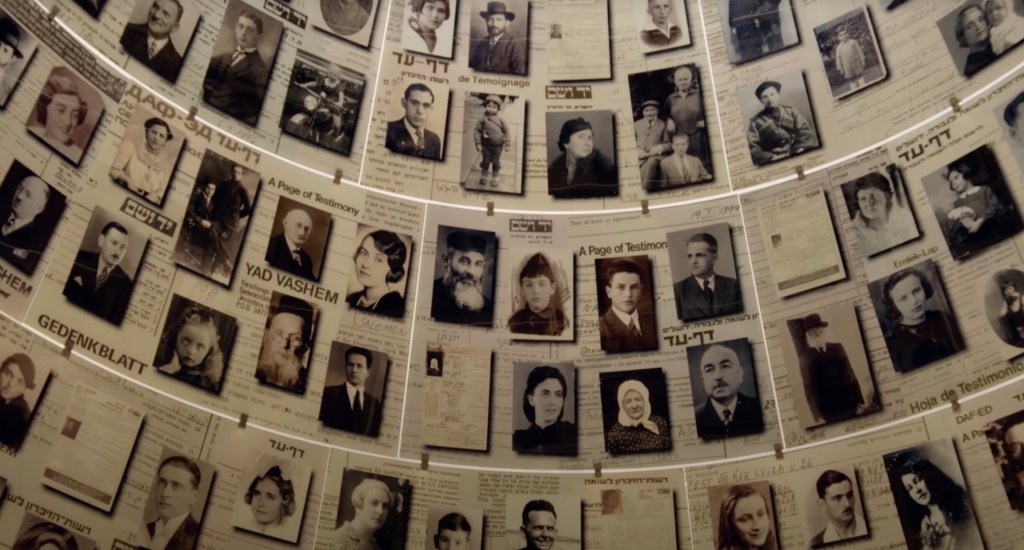
The horrific scope of the Holocaust is part of visiting Yad Vashem, and Alice cautions us that it’s easy to get lost in the numbers, stripping the men, women, and children of their humanity by doing so. Yad Vashem makes sure you see the people – the names and the faces of the mothers and fathers, seamstresses and iron workers, musicians and artists, bakers and bankers…and bear witness to their murders.
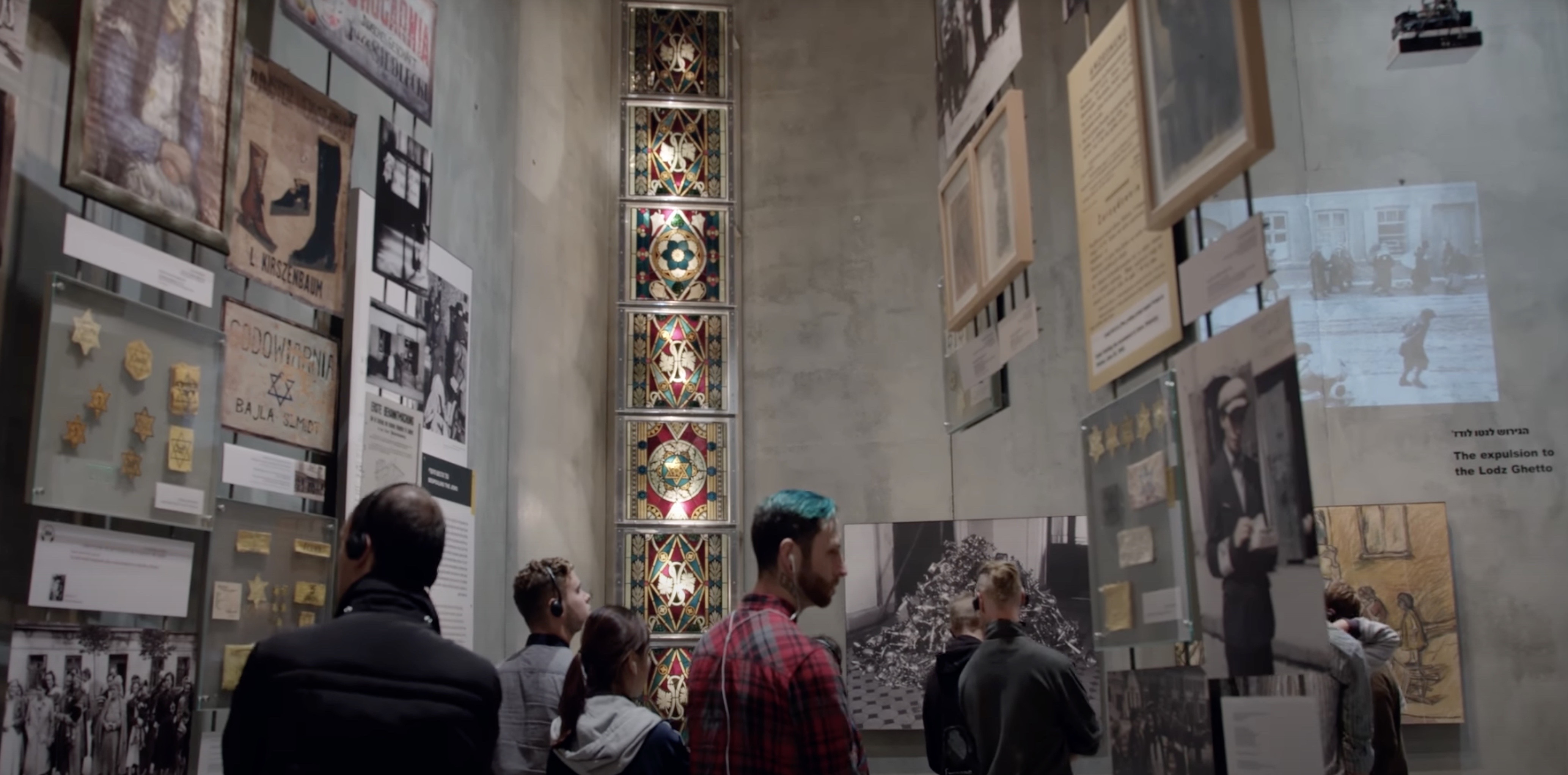
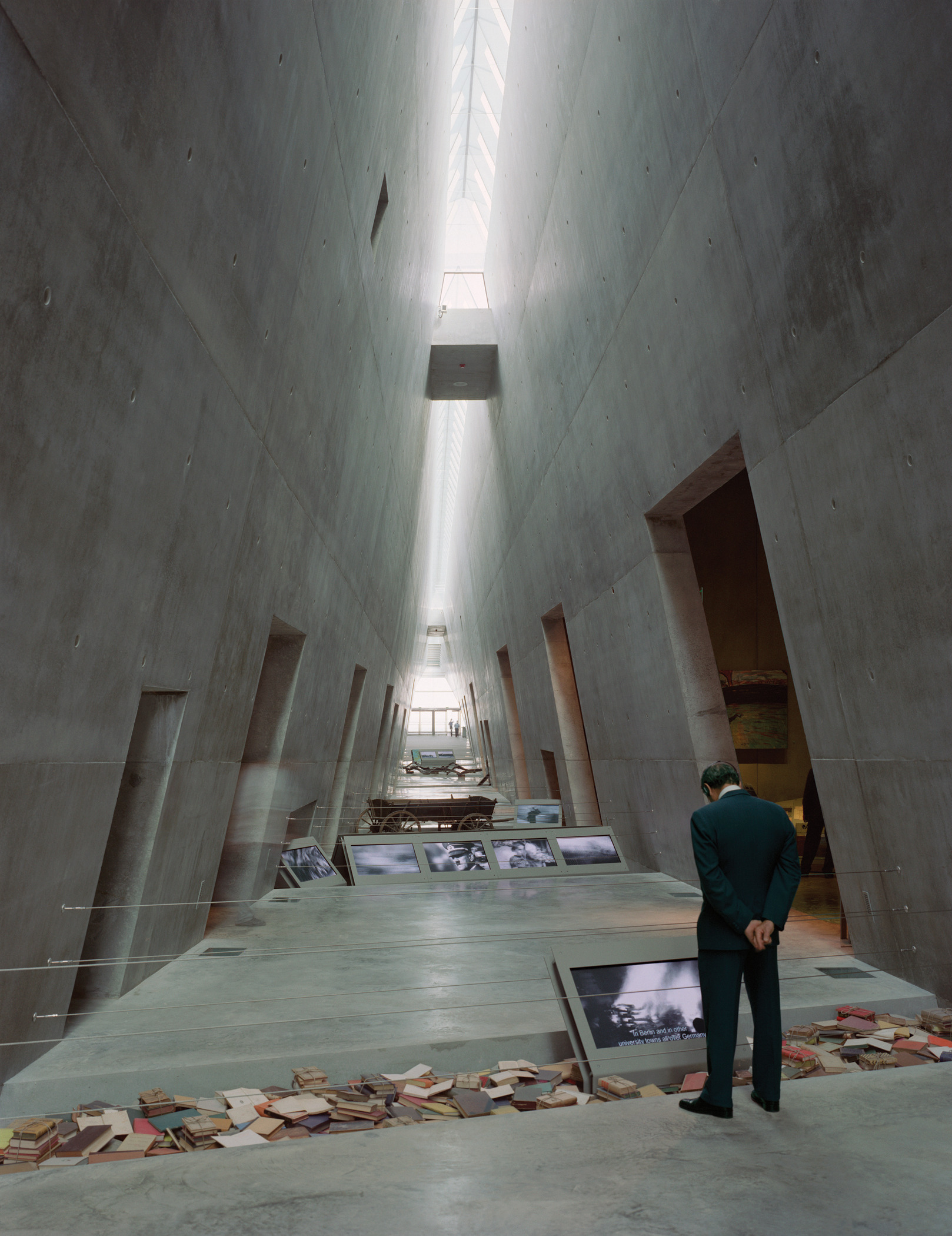
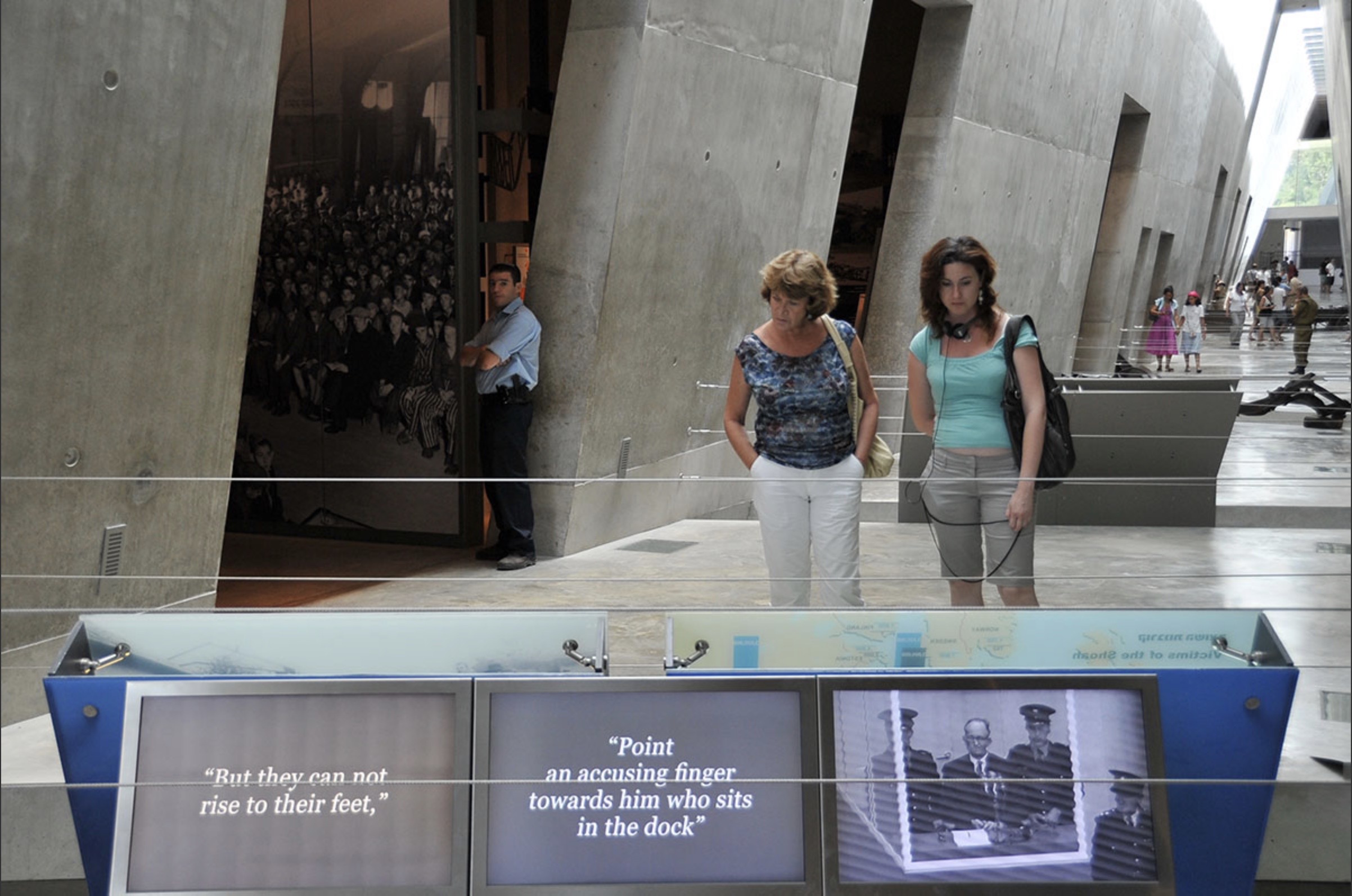
Of the many exhibits we stop at, one is about Babi Yar where the “killing pits” were. Nearly 34,000 people were killed in two days after unknowingly digging their own mass grave and being stripped. Another 100,000 (possibly more) would be killed here during Nazi occupation. A photo of the pit – naked bodies strewn about, their clothing at the pit’s edge, against a backdrop of dense forest – stopped me in my tracks with this poetry overlaid on it:
The trees look ominous,
like judges.
Here all things scream silently,
and, baring my head,
slowly I feel myself
turning grey.
And I myself
am one massive, soundless scream
above the thousand thousand buried here.
Yevgeny Yevtushennko, 1961 (complete text is at Babi Yar)
Hope and goodness is here too. A section devoted to the Righteous Among Nations tells stories of those who helped Jews escape the Nazis, risking their own lives in the process. There are almost 28,000 Righteous who collectively rescued over 10,000 of us. Oskar Schindler is perhaps the most well known having saved over 1,200 Jews. Some of the Righteous saved just one or two. We have a belief that to save one life is to save many, and the Righteous did just that.
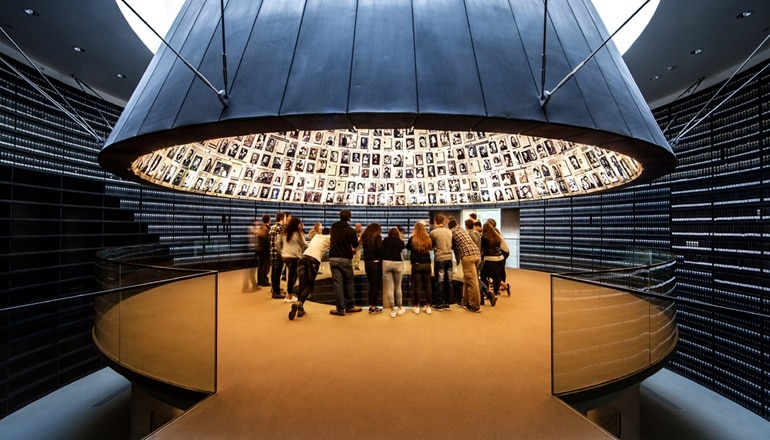
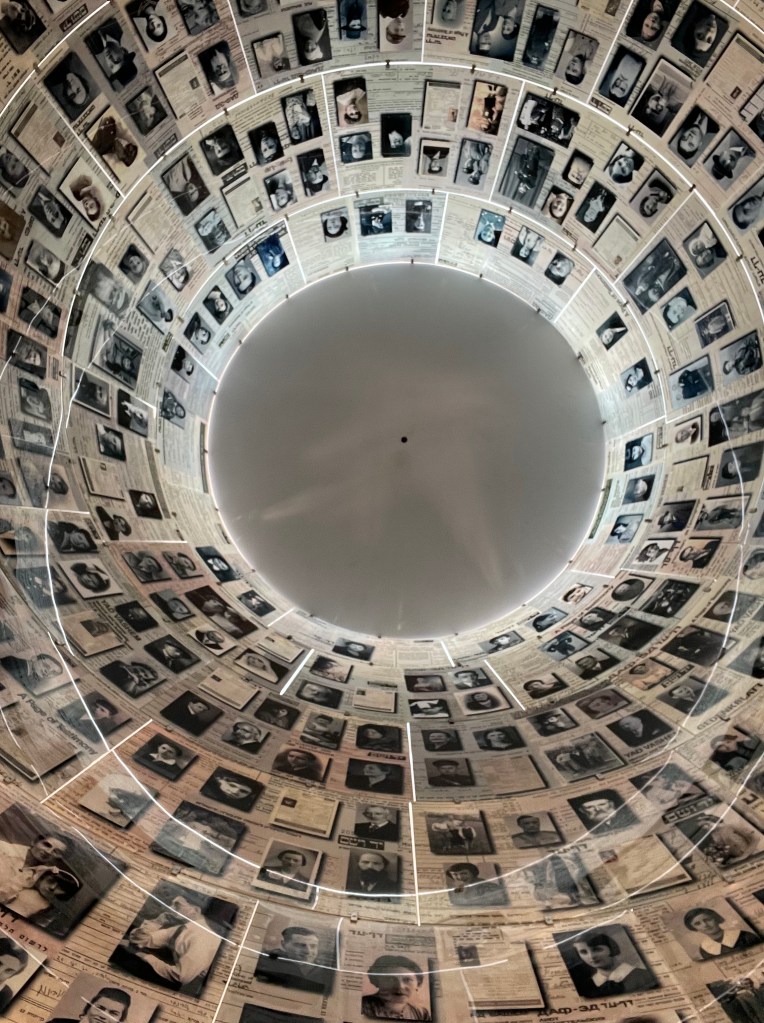
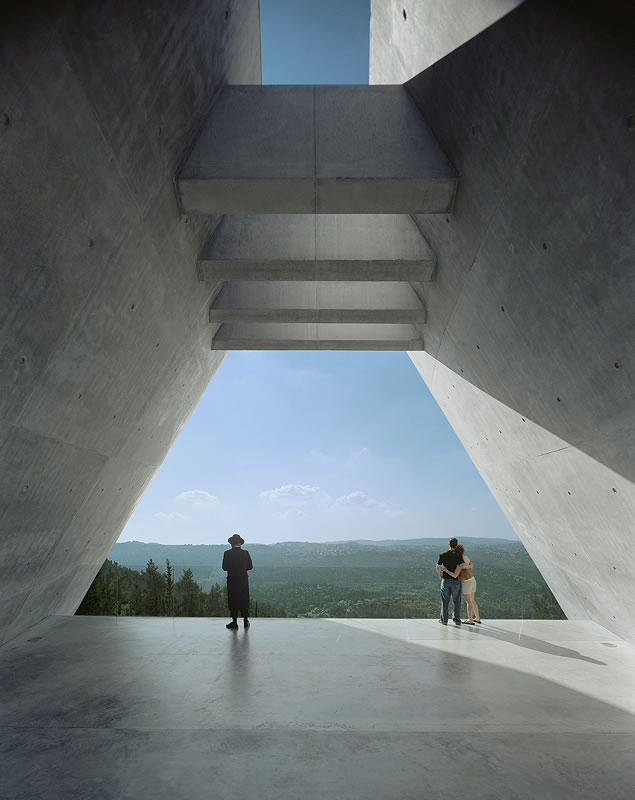
As you exit the museum, the floor slopes upward and is carpeted unlike the rest that is concrete. Every architectural detail here is intentional. You are permitted to leave freely now; there is no direct way out further back. We rise, our feet comforted, toward the horizon, and look out over Jerusalem. It is indeed hopeful.
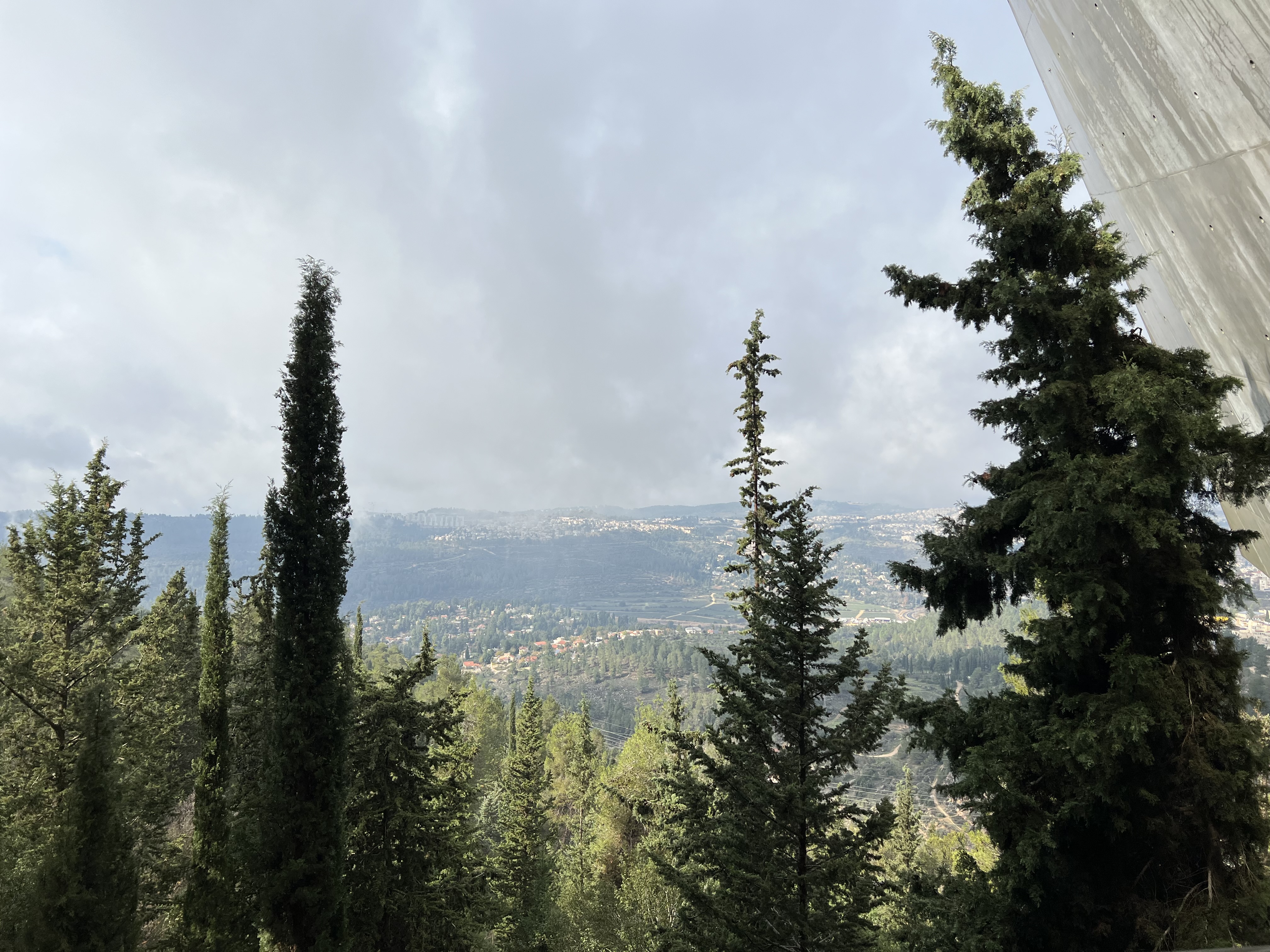
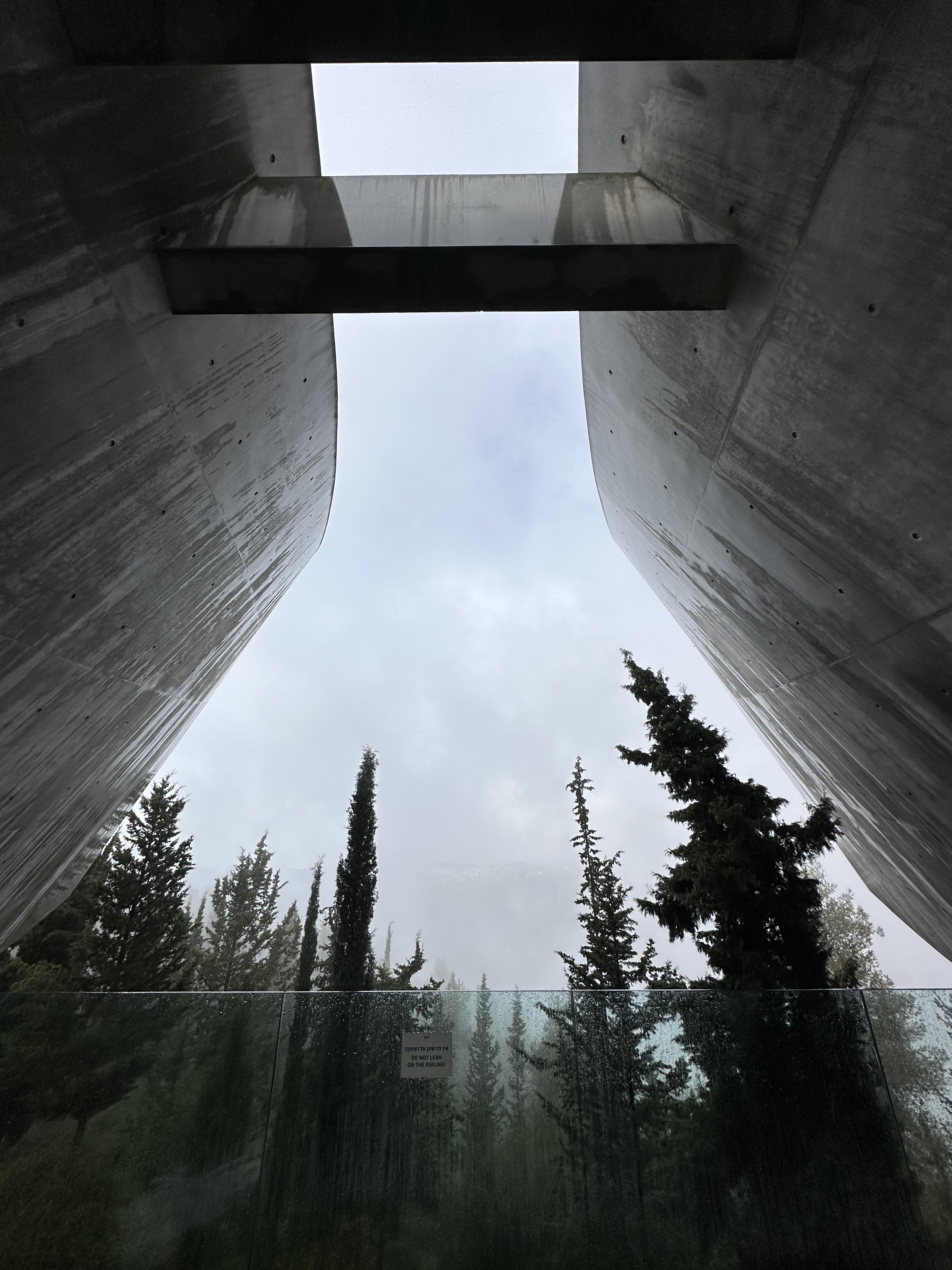
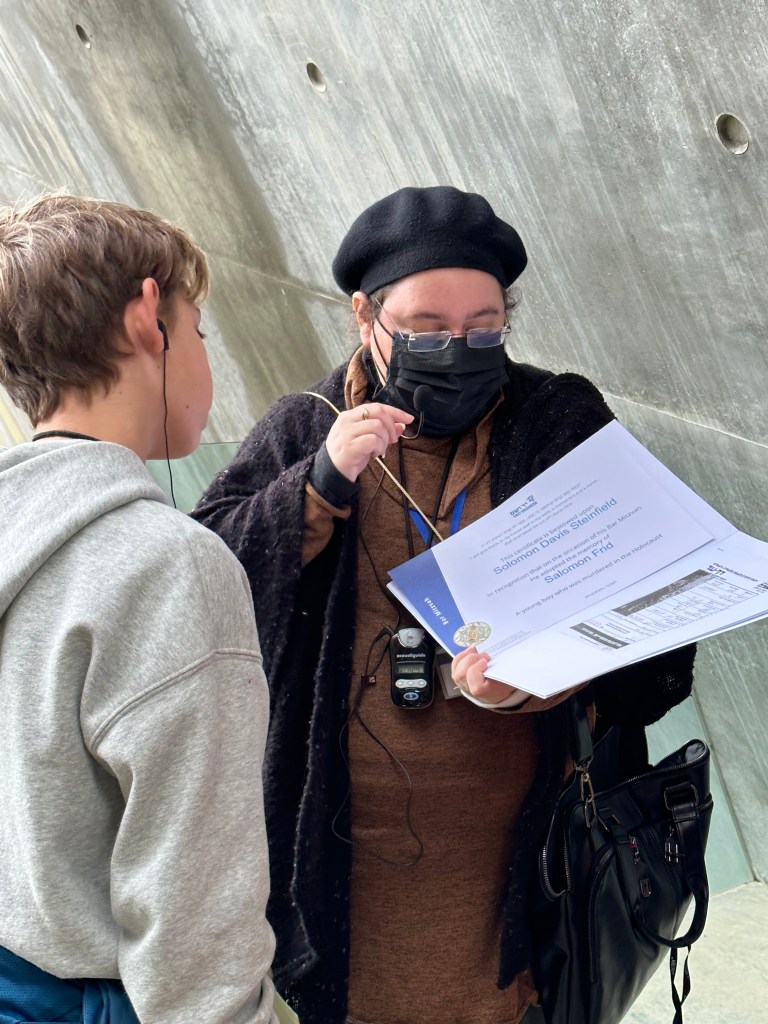
It is here that Soli is introduced to his bar mitzvah “twin,” Salomon Frid. With this heartfelt ceremony and Alice telling his story, we see Salomon and his family not as victims but as real people with hopes and dreams and love and struggles. We give them back the humanity that the Nazis stripped and we keep their memory alive.
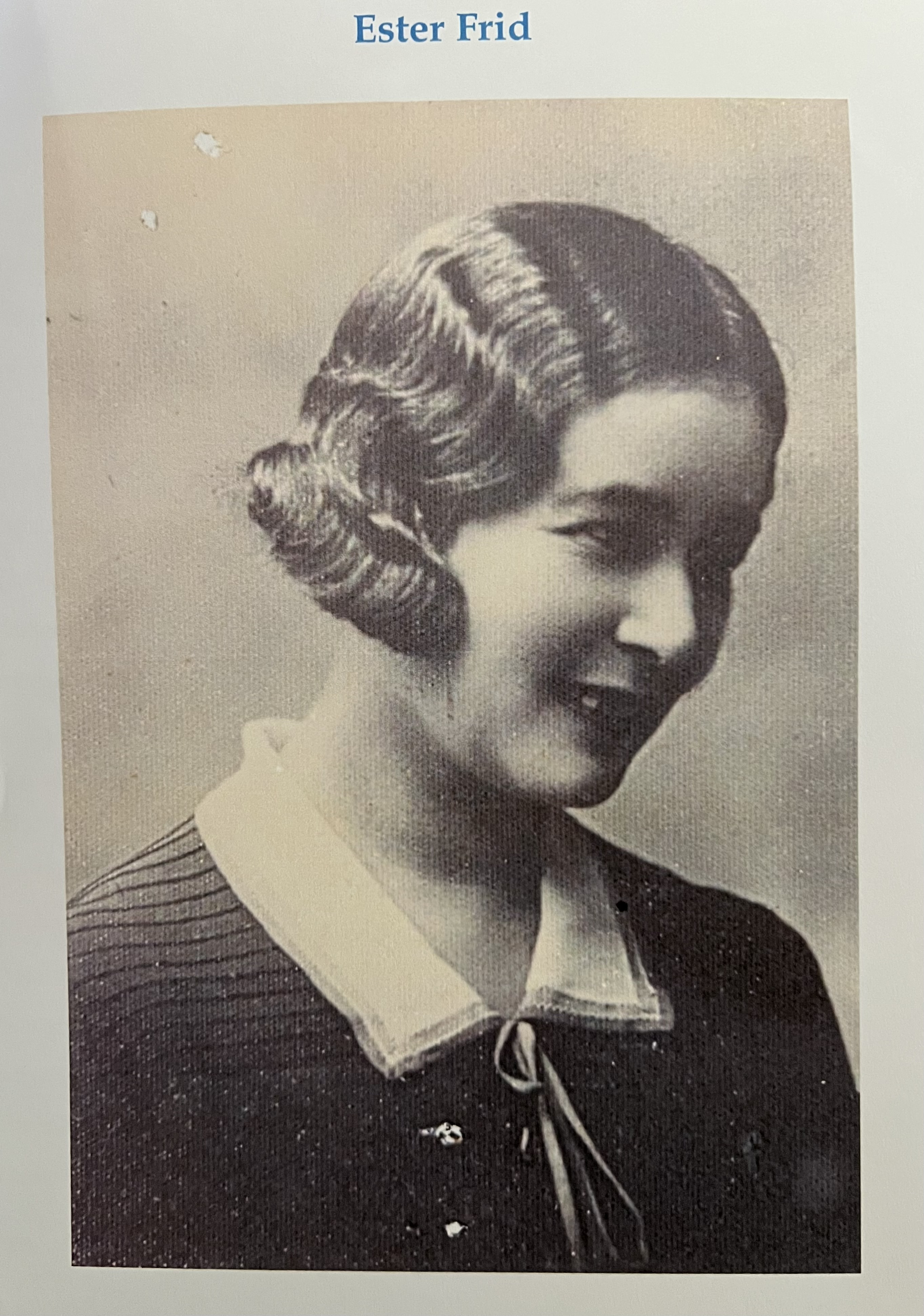
Salomon Frid was the son of Josef and Ester Frid, who also had a daughter named Rina. Salomon was an effervescent boy, light haired and bright eyed, eager to be the center of attention and a good student. You can picture him being mischievous in the woods outside their home but also engaged in the interesting things he finds playing with his sister. Josef was a lawyer, and Ester a seamstress. They lived in Lublin, Poland, and had a happy life as a young family. Once so full of promise, their tale has an ending we know – Joseph, Ester, and Salomon are all killed in concentration camps. Salomon is murdered at Majdanek in Poland in 1942. He was 11 years old.
Rina survives, but it is many, many years before she can bring herself to complete a Page of Testimony that documents her family’s horror.
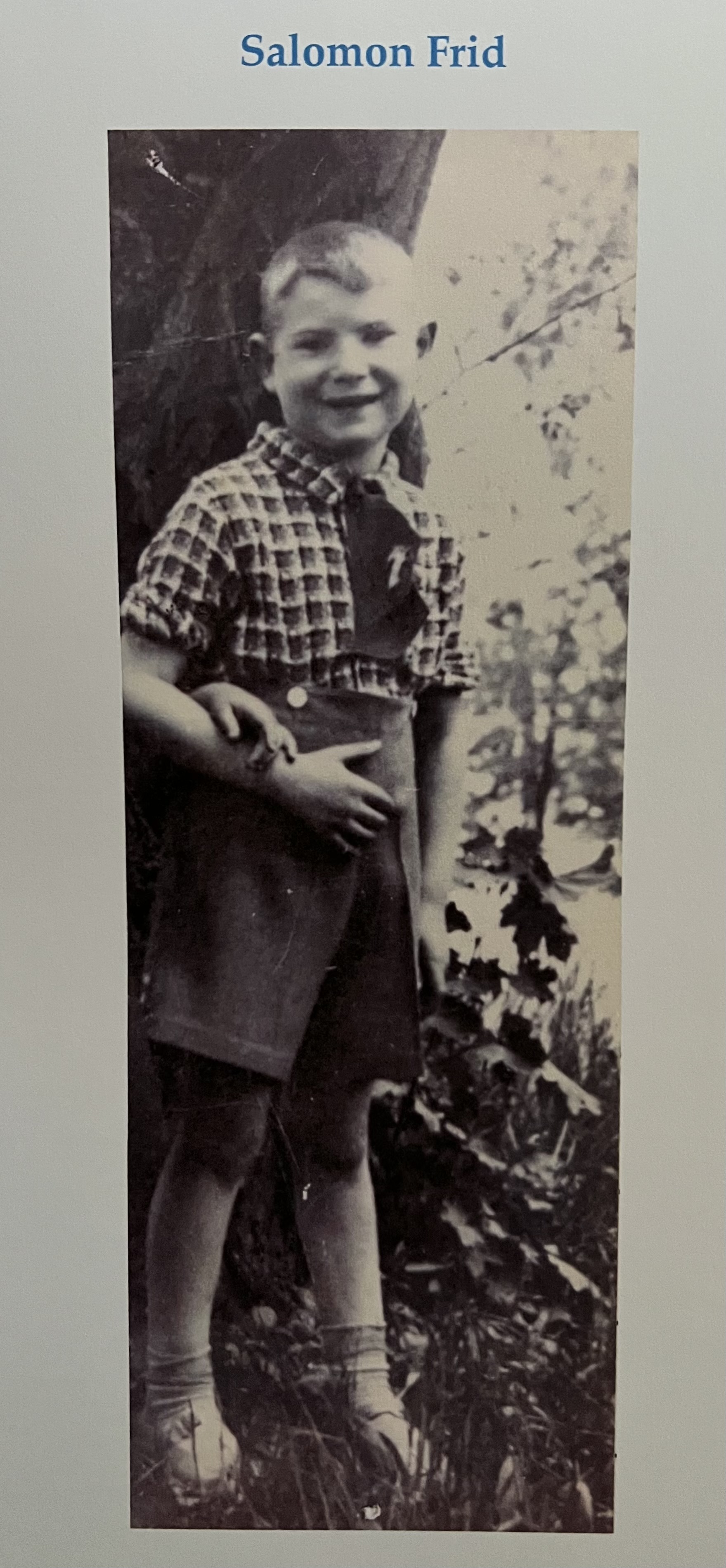
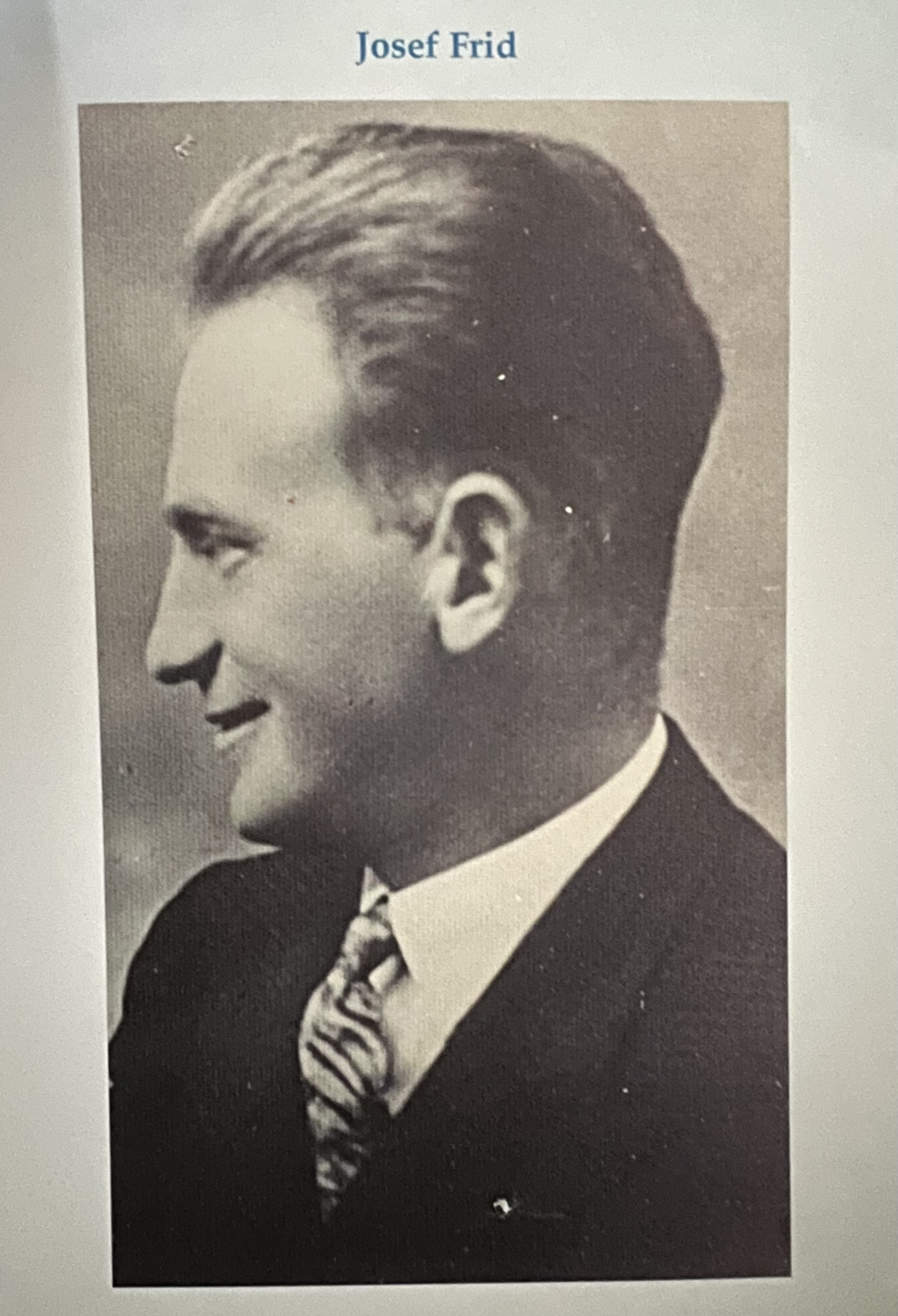
Our eyes glisten with the tears that well up at the edges and spill over onto our cheeks. Remembrance is powerful – and necessary – for the living, and those who’ve passed, and Soli will now forever hold the memory of Salomon Frid in his heart and mind.
“Who will remember me when I am gone?” We will.

 Dirt Roads and High Rises
One response to “Remembering Salomon Frid”
I remember being there and the emotional impact it had on me. POWERFUL!
LikeLike