
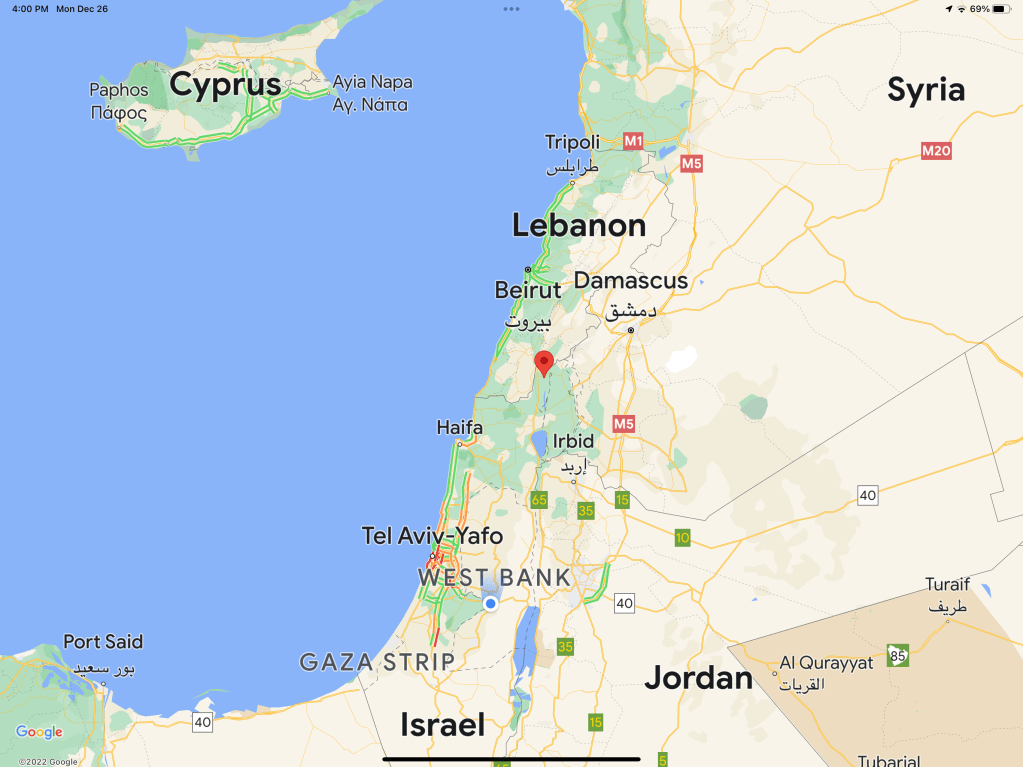
We left the Rosh Hanrika Grottos as nightfall approached, a 90 minute drive ahead of us. We are going east, hugging the northern border of Israel…and the group has grown quiet, eyes heavy and limbs weary from a long day of exploration. We pass the time silently, coming back to life as we pull into the kibbutz hotel of Hagoshrim. It is the Chanukah holiday, and apparently game night for all the families vacationing here. The lobby is jammed with parents and kids, giggling and scolding and competing on the floor and tables and over every possible surface. It is quite the scene! Dinner at the hotel buffet and we retire for the night…

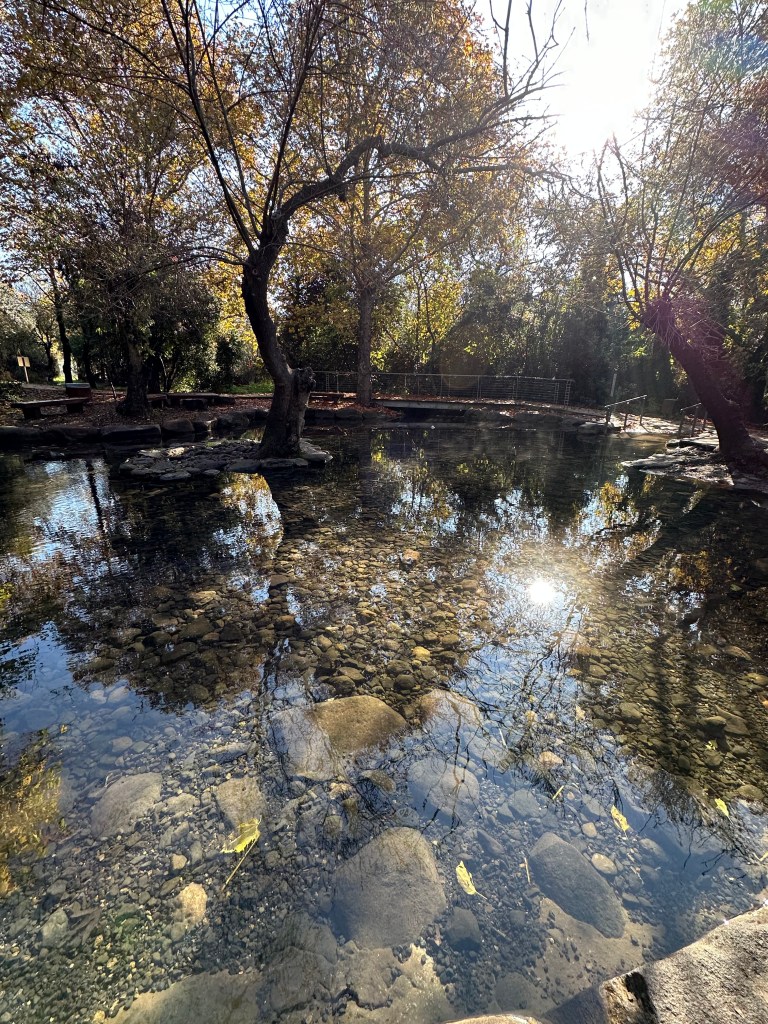
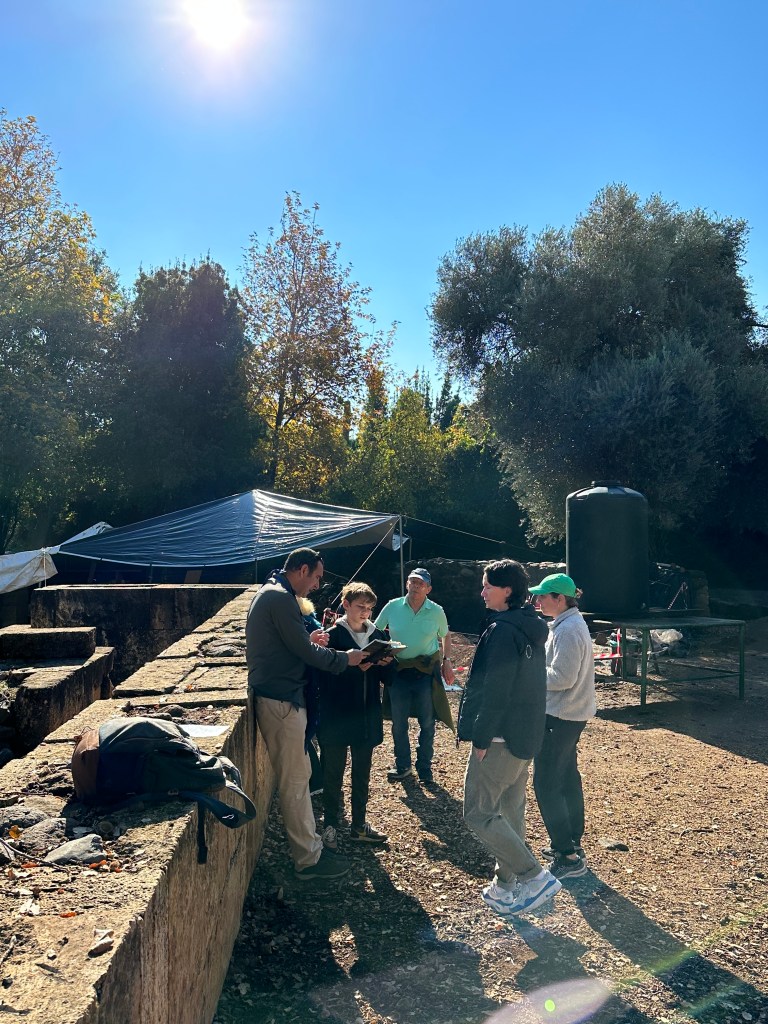
It’s a beautiful day as we set out to the Tel Dan Nature Reserve. We venture the quiet wooded path, and there is almost no one else around. It is immensely peaceful and calm. Birds and bugs, trees and streams, fish and wildlife are truly in harmony. The ancient city of Dan is mentioned in the Hebrew bible as the northernmost city of the kingdom of Israel, so in addition to the amazing natural environment, the reserve is also archaeologically important with ruins of the city. As we chat, we pass by an active dig…sort of. There was one guy sitting in chair doing nothing under a tent that covered the excavation. Uncovering the past is a slow process, they say. We hang out for a bit, and then it’s a tricky hike on the way out, so Harriet and Joe hop a ride back to the car.



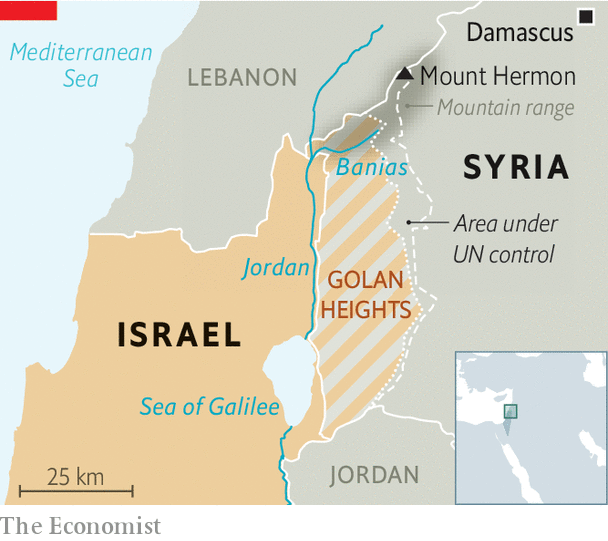
From Tel Dan, we head up into the hills of Golan. Yes, we are in the Golan Heights, an infamous area of Israel much larger than you probably imagine – 1800 sq km, not just a small hillside along the border. Technically speaking, it is Syrian territory occupied by Israel. So much of the lands in and around Israel are contested, as they have been for millennia, so it’s hard to explore Israel without being somewhere that has many narratives.
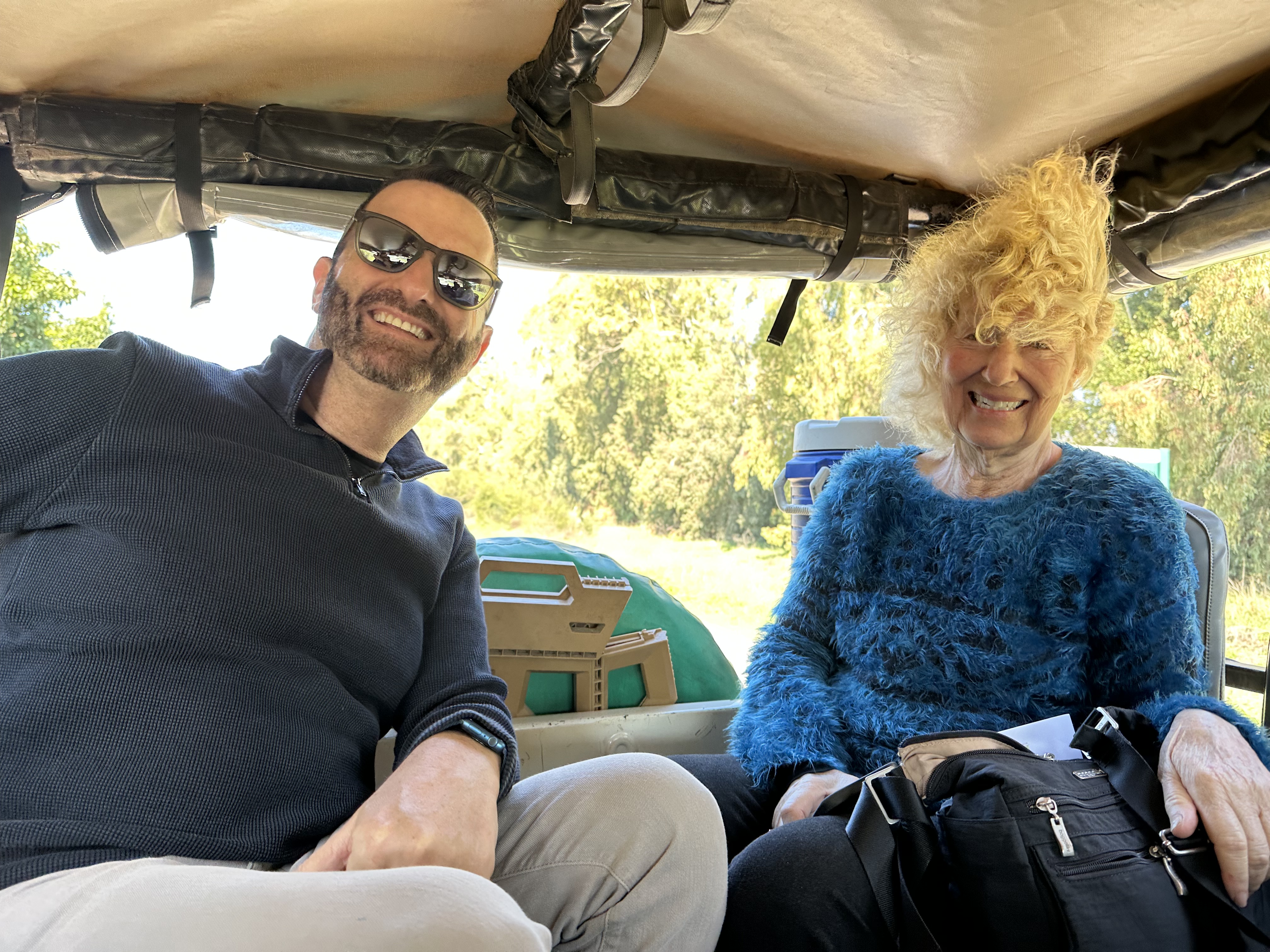
We need a different vehicle for this next chapter, so Hilik hands us off to Royi, and we pile into his open jeep, driving a paved road for a bit before we cross over to a dirt road. A smooth road quickly transitions to a rutted and precarious up and down through the cattle fields that gazelle also call home. Eventually we have ascended up to an amazing view of the Hula Valley.
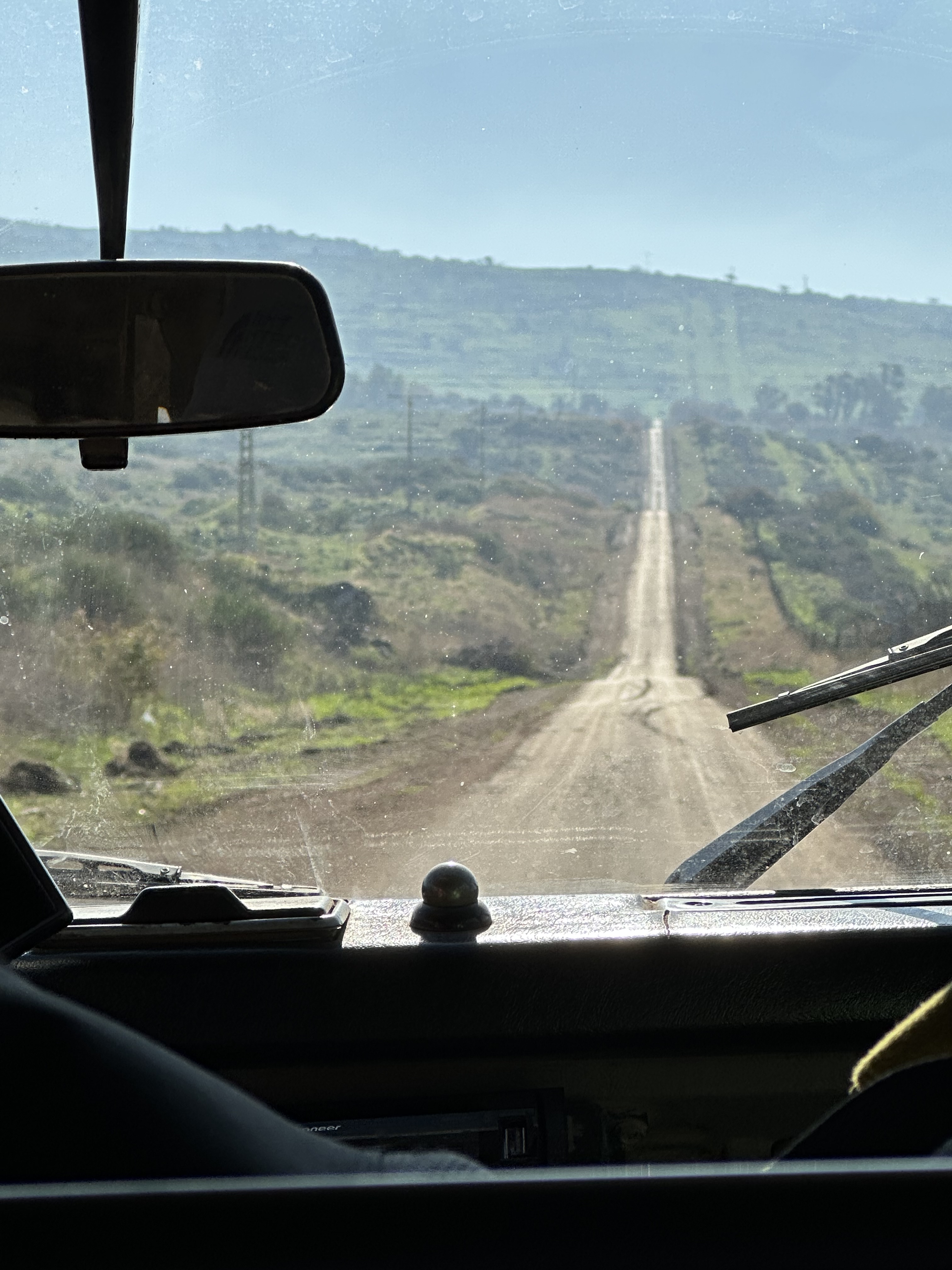

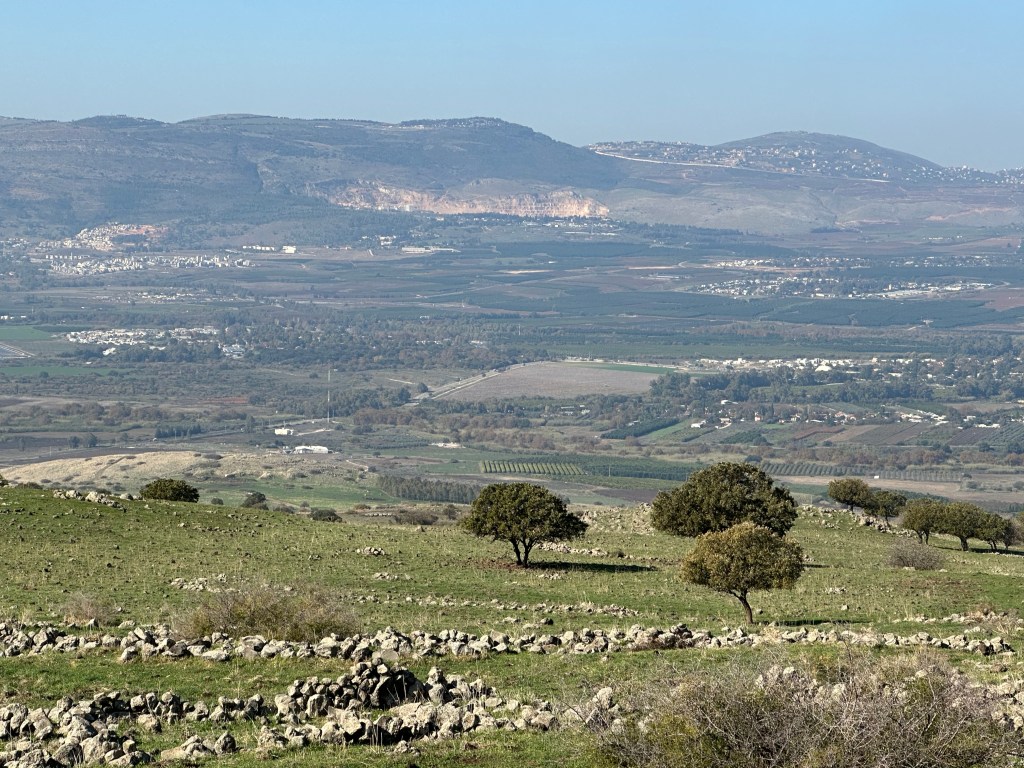
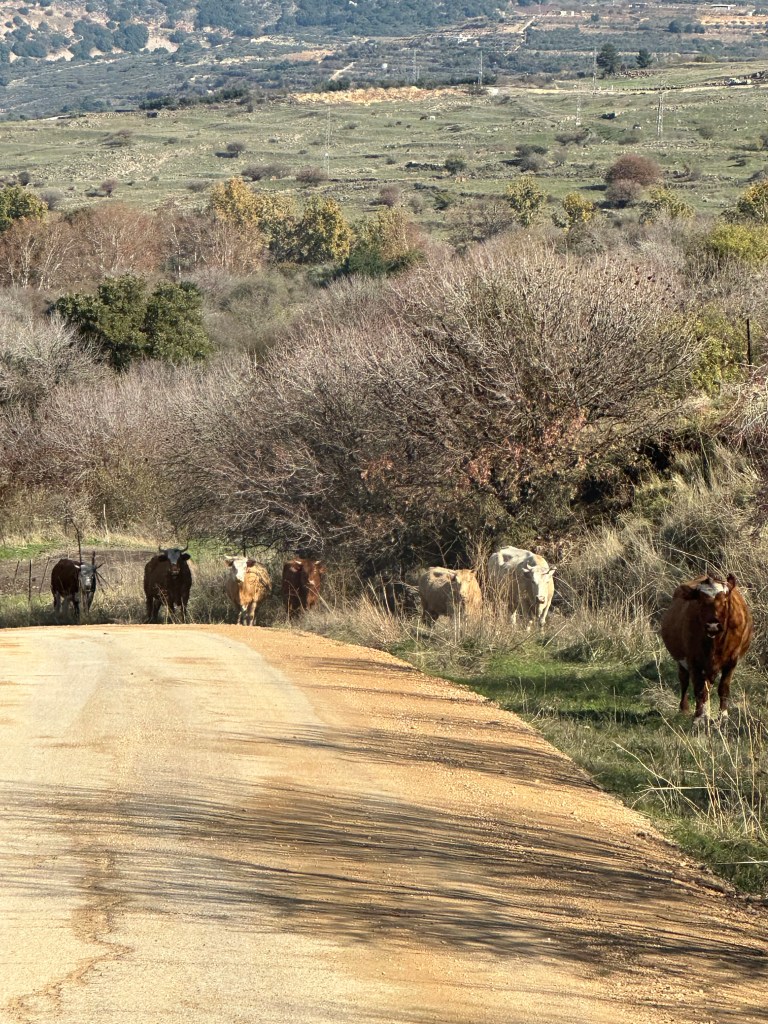
Along the way, we pass by military armaments including two “iron domes” [missile defense] – remember that we are in contested territory. Signs warn us not to wander through the fields, while the piles of rocks tell of a history when bedouin farmers lived here long ago. The cows remind us that this land is still farmed today (by a kibbutz). We pass by all of this with a sense of wonder as we bounce along the rough roads, enjoying the ride and fresh air…Royi chiming in here and there with his thick accent.

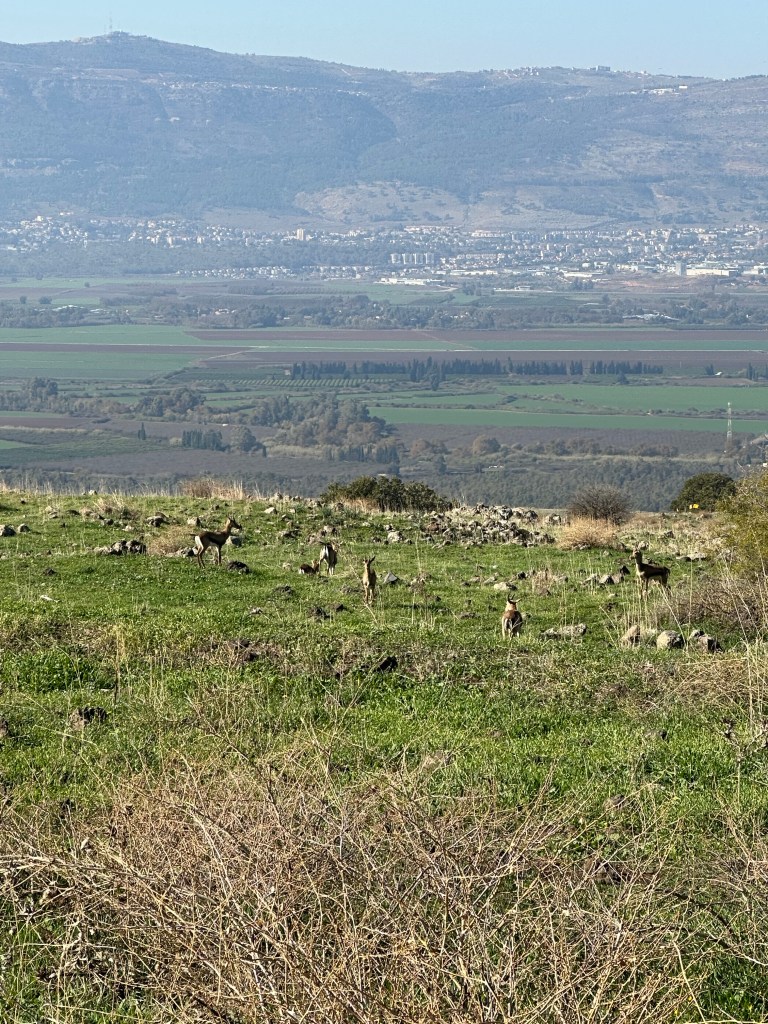

Royi turns out to be quite the host as we stop to take in the view. He makes hot tea out of lemongrass, ginger, and sage that he shoves into a pot precariously perched atop a burner on the hood of the jeep (it was delicious!) and treats us to pomegranate and pomelit. Janell has a new favorite fruit and Soli a new hat – the pomelit. 😄


Royi turns our attention to the grove of trees in the distance atop the hillside. There are hidden bunkers peppering these slopes, constructed by the Syrians, some of which are marked by these trees. If you know the story of Eli Cohen, a Mossad (Israeli CIA) agent who infiltrated the Syrian government in the early 1960’s, these are the trees he surreptitiously had planted so Israel would know where to shoot. He turned the bunkers into target practice…
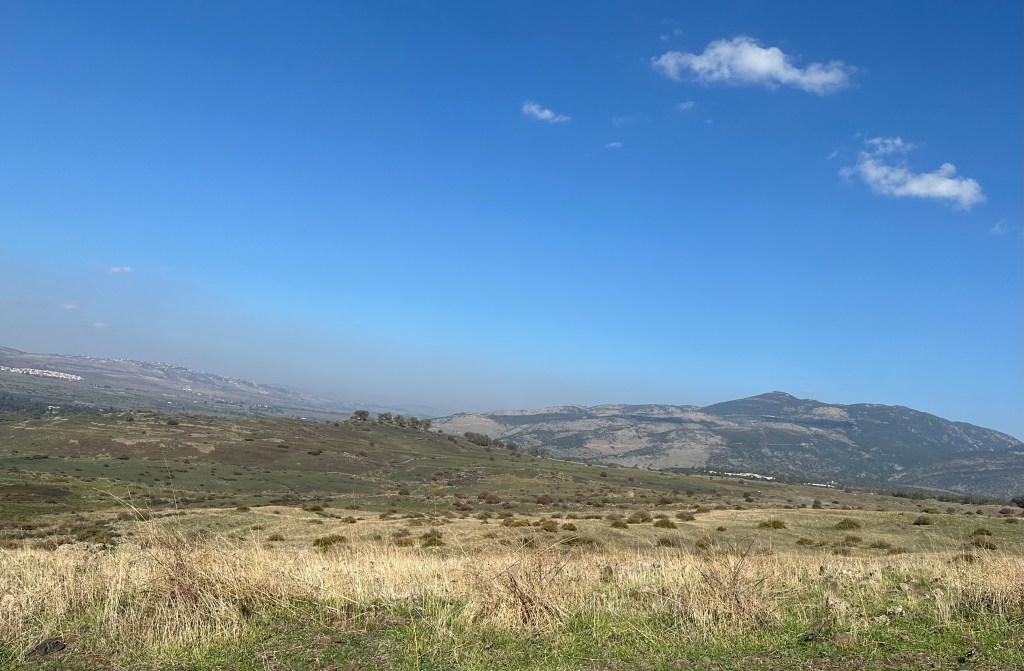
If you don’t know the story of Eli Cohen, I highly recommend the miniseries The Spy on Netflix. Sacha Baron Cohen is fantastic as Eli Cohen.
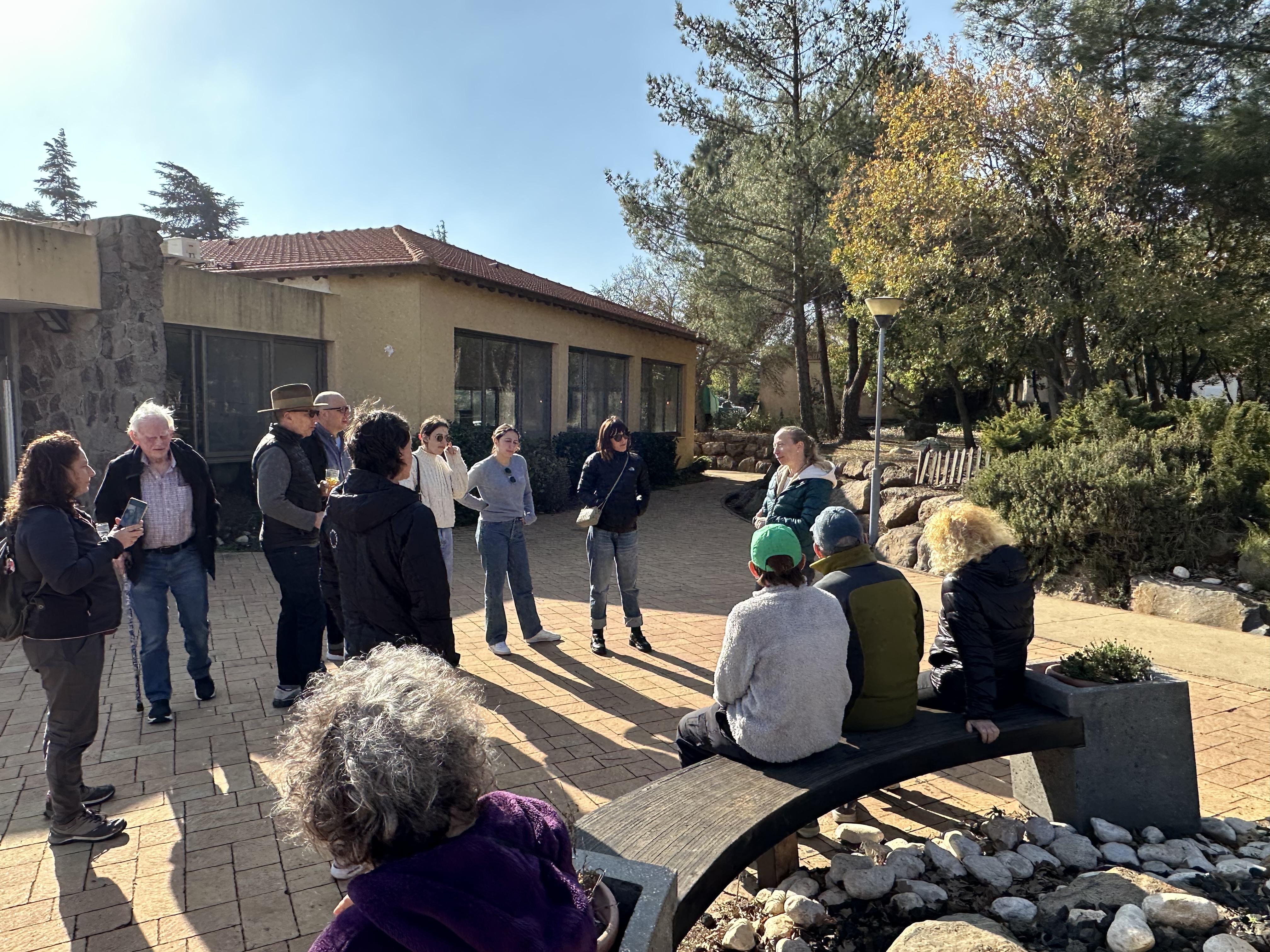
Royi delivers us safely back to Hilik, and we take a short drive to Kibbutz Ortal for lunch and a tour. We are joined by a few others to walk around and hear from a resident about life on a kibbutz. Having grown up on a very small version of one (another story for another time), I have preconceived notions that are quickly shattered. It’s quite a sophisticated version of socialism, and a large enterprise: the housing and other buildings occupy over 70 acres, and the agriculture fields another 1,200. It is “communal life” – for a few hundred – as we might think of American hippies in the 60’s and 70’s did, and at the same time it’s very different and thoughtfully structured. And the Americans didn’t need bomb shelters.


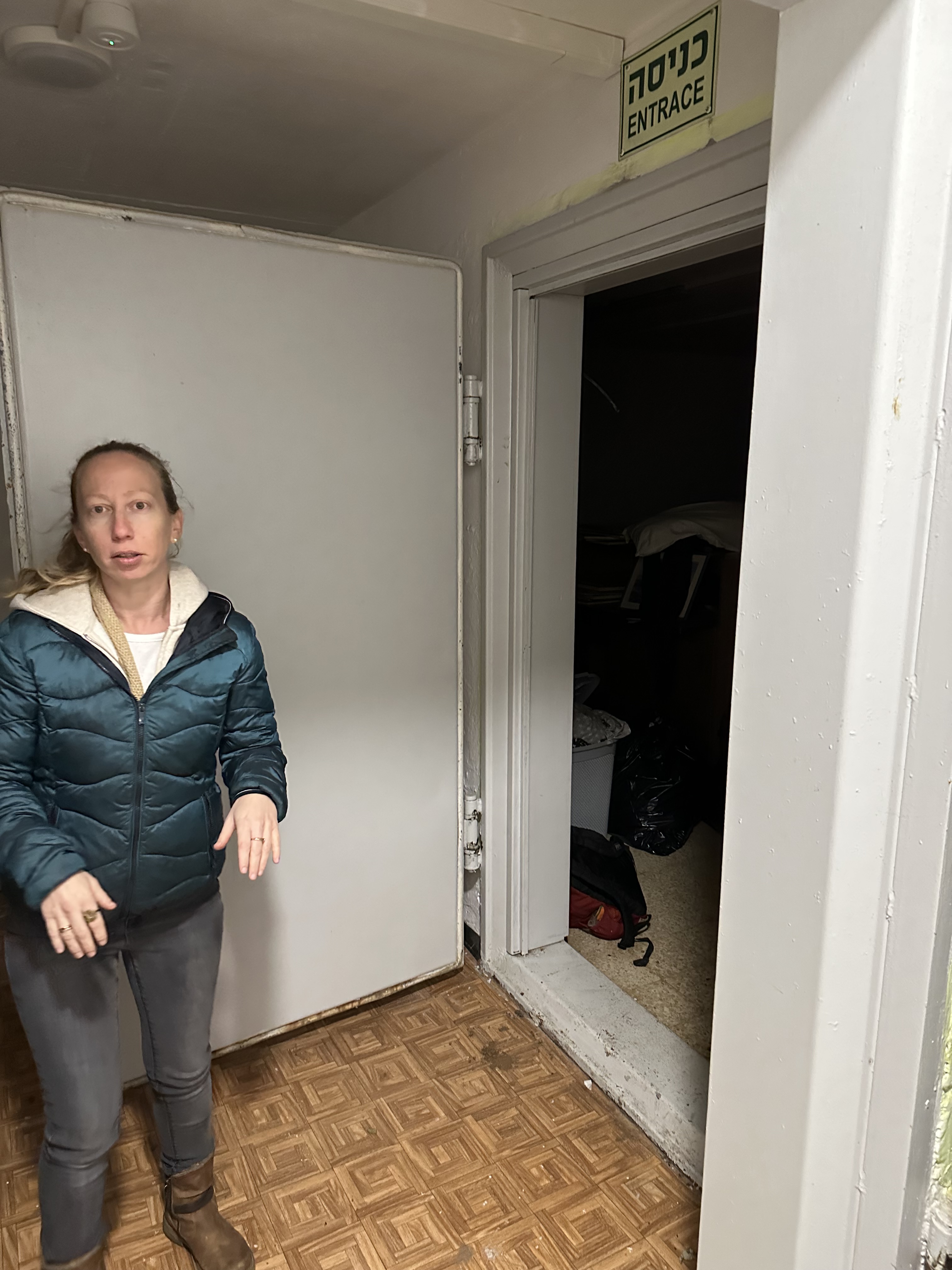
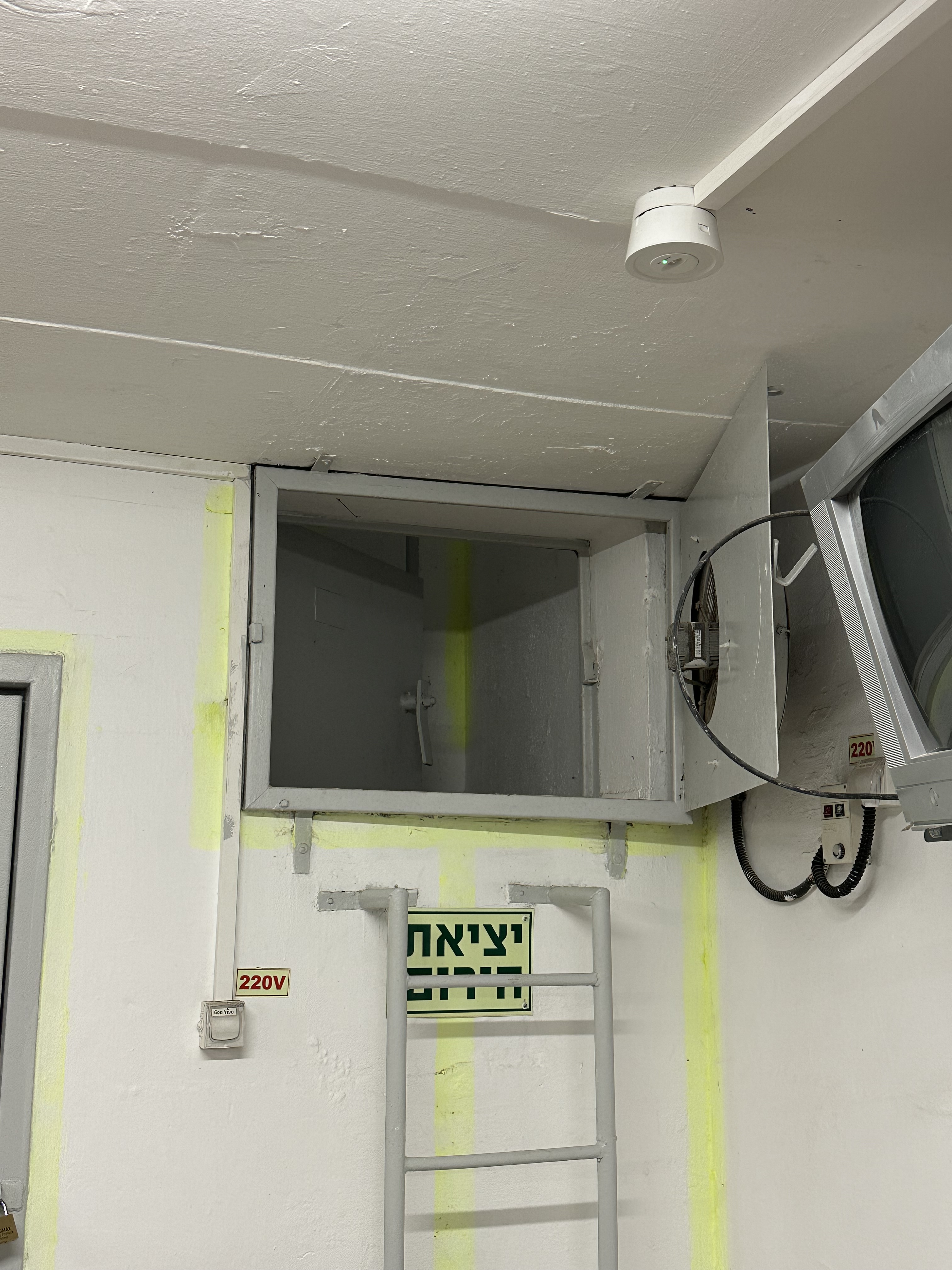
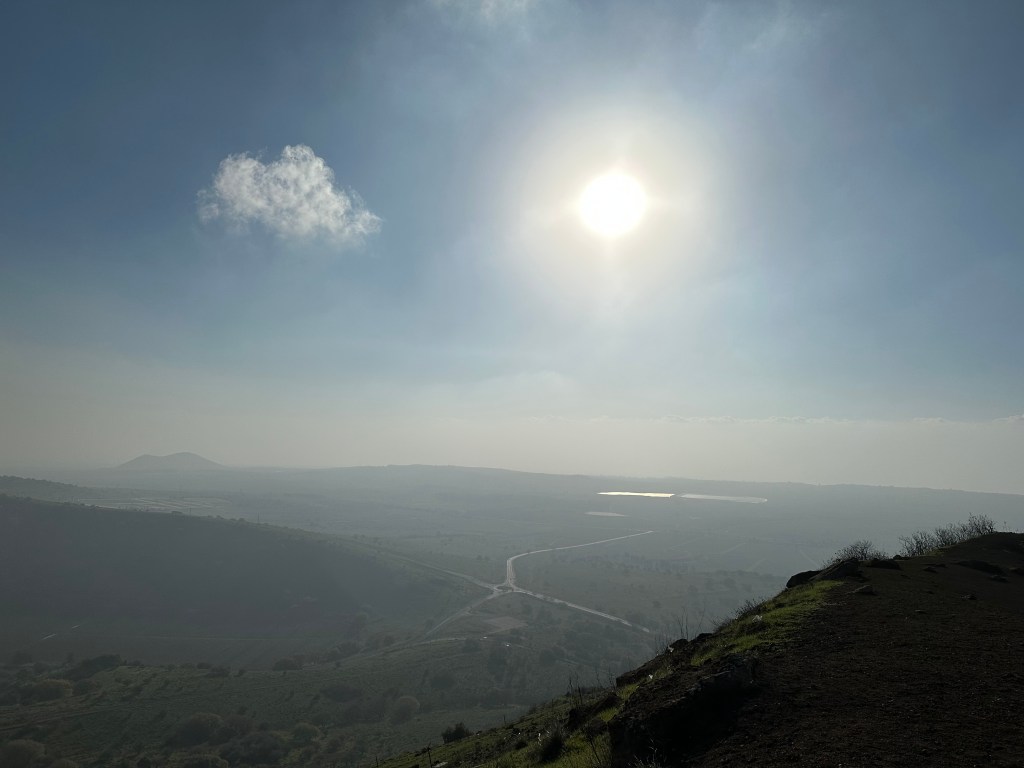
The day’s journey continues to The Bental Volcano (long inactive), a crest of the Golan Heights where you can see into Syria – if you look across the DMZ between the Israeli occupied portion and Syria (reference the map above). We’re high enough up here to do so, which is a bit unsettling even amidst the calm and quiet. Turning around, the Hula Valley stretches out below the us, cradled beneath the hills that rise above it to the west.
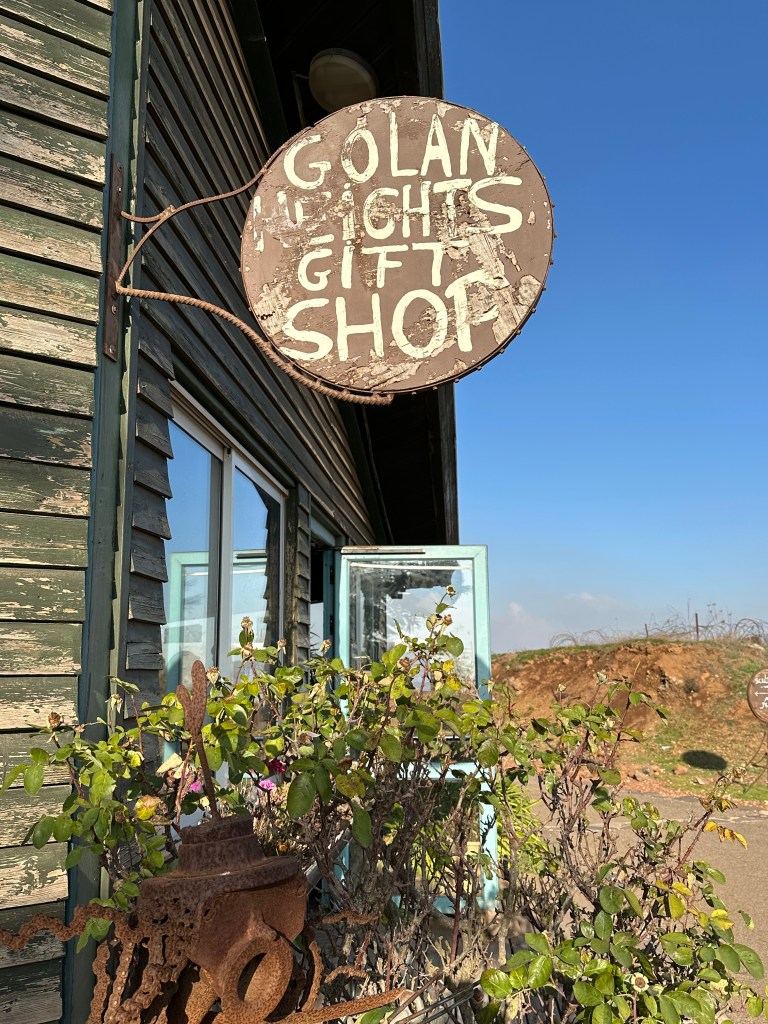
There are old bunkers across the hilltop, and artists have created silhouettes of soldiers, stationed at their posts, perhaps actively fighting off Syrian aggression – or is it advancing Israeli aggression? Two sides to every story, as they say. It’s cold and windy up here so we go inside the Golan Heights Coffee Shop (it is a tourist spot, after all) for a hot drink and continuation of the stories whose evidence is all around us.

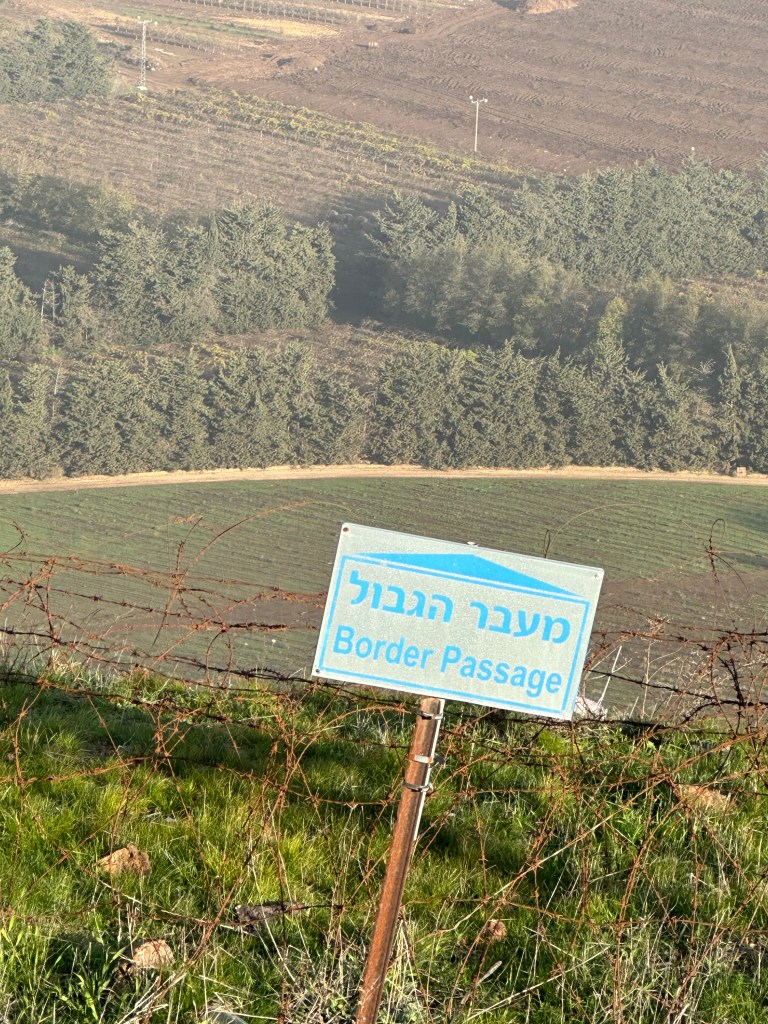
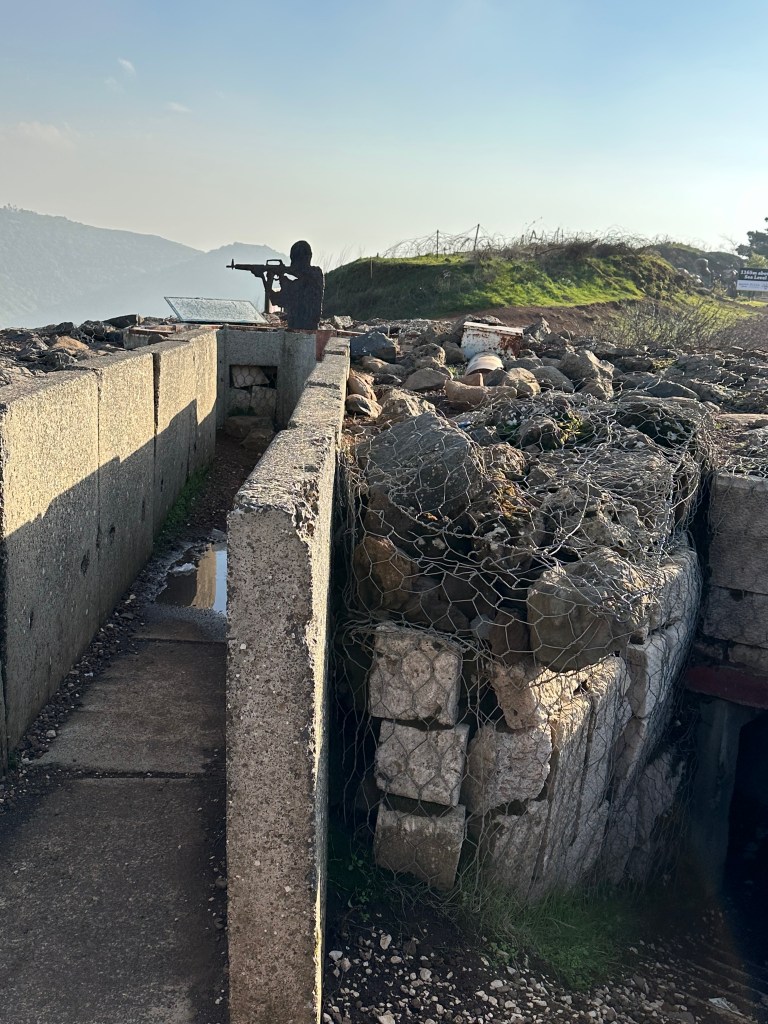
As we snake our way down the winding road to back Hagoshrim for the night, we ponder the day’s adventures. Ruins amidst protected nature, farmers next to mine fields, art framing de-militarized zones. It’s hard not to think about the coexistence of all things. Nature, nurture, defense, aggression…and how great a cup of hot chocolate tastes when you come inside from the cold.
 Dirt Roads and High Rises
One response to “Views From The Golan Heights”
The maps bring your marvelous narrative to life. Feel like I’m there with you!
LikeLike